
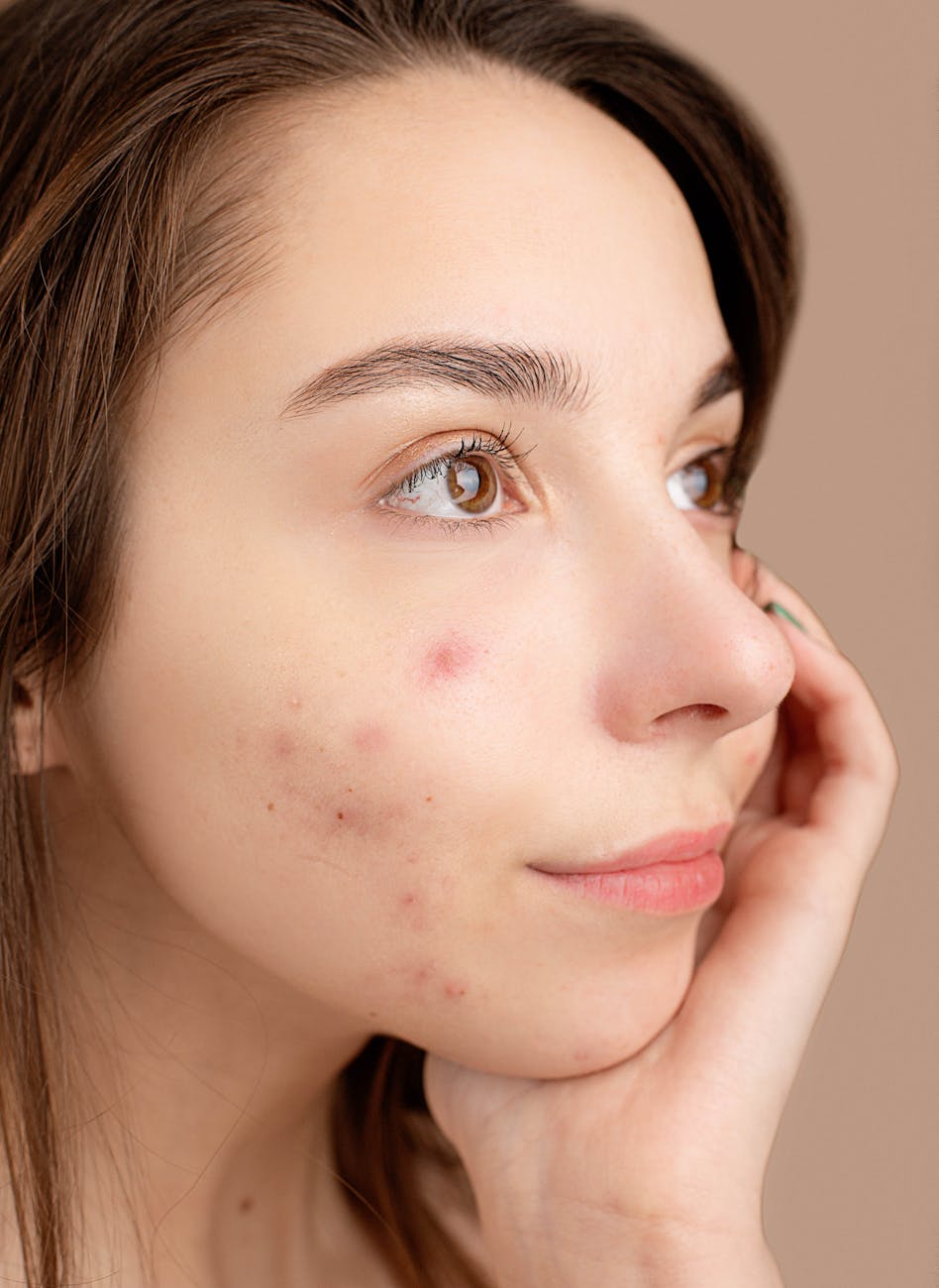
You wake up to yet another stubborn blemish staring back at you in the mirror, and like many, you turn to the internet for answers.
But in the vast landscape of skincare advice, separating fact from fiction can be a daunting task. From old wives’ tales passed down through generations to trendy skincare hacks circulating on social media, the world of acne treatment is rife with myths and misconceptions.
In this article, we’ll debunk some of the most common myths surrounding acne and explore the truth behind these age-old beliefs. So, before you reach for that DIY spot treatment, swear off chocolate forever or pico treatment for acne scars, let’s delve into the reality behind the myths and discover what truly works when it comes to managing acne.
Myth: Only teens get acne
False.
While it’s true that acne is commonly associated with adolescence, the idea that it exclusively affects teenagers is a myth. Acne can occur at any age, from childhood through adulthood and even into later years.
In fact, adult acne is a prevalent issue, with many individuals experiencing breakouts well beyond their teenage years. The misconception may stem from the hormonal changes that occur during puberty, which can indeed trigger acne flare-ups
However, numerous factors, including genetics, hormonal fluctuations, lifestyle choices, and skincare habits, can contribute to acne development in adults. Stress, diet, and environmental factors also play a role, making acne a complex and multifaceted condition that can affect individuals of all ages.
Therefore, it’s essential to recognise that acne is not limited to teenagers and to seek appropriate treatment and management strategies regardless of age.
Myth: Your face is dirty. You need to wash more.
False.
While maintaining good hygiene is important for overall skin health, over-washing your face can actually exacerbate acne rather than alleviate it.
Contrary to popular belief, acne is not solely caused by dirt or poor hygiene. In fact, excessive washing can strip the skin of its natural oils, leading to dryness and irritation, which can, in turn, trigger the production of more oil and worsen acne
Additionally, harsh cleansers and scrubbing can damage the skin’s protective barrier, making it more susceptible to bacteria and inflammation. Instead of over-washing, it’s crucial to establish a gentle cleansing routine tailored to your skin type and concerns.
This may involve using a mild cleanser twice daily and avoiding abrasive scrubbing or harsh ingredients that can disrupt the skin’s balance. Additionally, incorporating other acne-fighting strategies such as topical treatments, moisturising, and protecting the skin from sun damage can help manage acne more effectively without over-drying or irritating the skin.
Myth: It is okay to pop and squeeze them.
False.
While it may be tempting to pop or squeeze acne lesions in an attempt to expedite their healing process or alleviate discomfort, this can actually worsen the condition and lead to further complications.
Popping or squeezing acne lesions can cause the spread of bacteria and inflammation to surrounding areas of the skin, increasing the risk of infection and scarring. Additionally, the pressure exerted during squeezing can damage the delicate structures of the skin, leading to increased redness, swelling, and pain. It’s important to resist the urge to pick at or manipulate acne lesions and instead opt for gentle skincare practices and targeted acne treatments recommended by dermatologists.
These treatments can help reduce inflammation, unclog pores, and promote the healing of acne lesions without causing additional harm to the skin.
Myth: Toothpaste can remove pimples.
False.
While it’s a common belief that toothpaste can effectively dry out and eliminate pimples, using toothpaste as a spot treatment for acne is not recommended. Toothpaste contains ingredients like fluoride, menthol, and hydrogen peroxide, which may cause irritation, redness, and even chemical burns when applied to the skin.
Additionally, toothpaste is not formulated for use on the skin and may disrupt its natural pH balance, leading to further inflammation and potential long-term damage. Instead of relying on toothpaste, it’s best to use skincare products specifically designed to treat acne, such as benzoyl peroxide or salicylic acid-based treatments, under the guidance of a dermatologist.
These products are formulated to target acne-causing bacteria and reduce inflammation without causing harm to the skin.
Myth: Greasy food causes acne.
Partially true.
It is true that while it’s often believed that consuming greasy or oily foods can lead to acne breakouts, there is limited scientific evidence to support this claim. Acne is primarily caused by factors such as hormonal changes, genetics, and the overproduction of sebum (skin oil) by the sebaceous glands.
While certain dietary habits may influence acne development in some individuals, the relationship between greasy food and acne is complex and varies from person to person. Research suggests that high-glycemic-index foods, dairy products, and certain types of fats may potentially exacerbate acne in some individuals.
However, maintaining a balanced diet rich in fruits, vegetables, whole grains, and lean proteins, along with practicing good skincare habits, is generally recommended for promoting clear and healthy skin.
You need to exfoliate harder.
False.
Contrary to popular belief, scrubbing your skin vigorously or using harsh exfoliating products can actually do more harm than good. While exfoliation is beneficial for removing dead skin cells and unclogging pores, over-exfoliating or using abrasive techniques can damage the skin’s protective barrier, leading to irritation, inflammation, and increased sensitivity.
It’s essential to exfoliate gently and choose products specifically formulated for your skin type. Opt for chemical exfoliants containing ingredients like alpha hydroxy acids (AHAs) or beta hydroxy acids (BHAs), which work to dissolve dead skin cells without the need for abrasive scrubbing. Additionally, limit exfoliation to 2-3 times per week to prevent overdoing it and allow your skin to regenerate naturally.
Always listen to your skin’s needs and adjust your exfoliation routine accordingly to maintain a healthy and balanced complexion.
Myth: Acne only affects oily skin.
False.
While oily skin is more prone to acne due to excess sebum production, acne can affect individuals with all skin types, including dry, combination, and sensitive skin. Acne develops when hair follicles become clogged with oil, dead skin cells, and bacteria, leading to the formation of pimples, blackheads, and whiteheads.
Factors such as hormonal fluctuations, genetics, diet, stress, and skincare products can also contribute to the development of acne, regardless of skin type. Therefore, it’s essential to address the underlying causes of acne and tailor your skincare routine accordingly, rather than assuming that only oily skin is susceptible to breakouts.
Myth: Makeup causes acne.
Partially true.
While certain makeup products can clog pores and contribute to acne breakouts, not all makeup is inherently harmful to the skin. Non-comedogenic or oil-free makeup formulations are designed to be less likely to clog pores and are suitable for acne-prone individuals.
Additionally, regularly removing makeup before bed and cleansing the skin thoroughly can help prevent pore blockages and reduce the risk of breakouts. It’s essential to choose makeup products that are compatible with your skin type and to practice good skincare habits to maintain clear and healthy skin. If not, without proper cleansing, it will definitely be one factor that causes acne.
Myth: Acne goes away on its own.
Partially true.
While some cases of acne may resolve without intervention, many individuals require treatment to manage and control their acne effectively. Acne is a complex skin condition influenced by various factors such as hormones, genetics, and lifestyle habits.
Without proper treatment, acne can persist for months or even years, leading to potential scarring and emotional distress. Seeking professional guidance from a dermatologist can help determine the best course of action for managing acne and preventing long-term skin damage or book a Pico Glow treatment to remove acne scars.