
Pigmentation, Melasma, Freckles & Dark Spots Removal In Malaysia
Pigmentation refers to the presence of dark-coloured dots, spots, or patches on our face or body.
In Asia, pigmentation disorders are frequently encountered due to the extremely hot climate, thanks to prolonged sun exposure!
Skin pigmentation is a prevalent issue that can impact individuals of any age or skin complexion. Though it is usually not a severe condition, it can detract from one’s appearance and lead to discomfort.

What is Pigmentation?
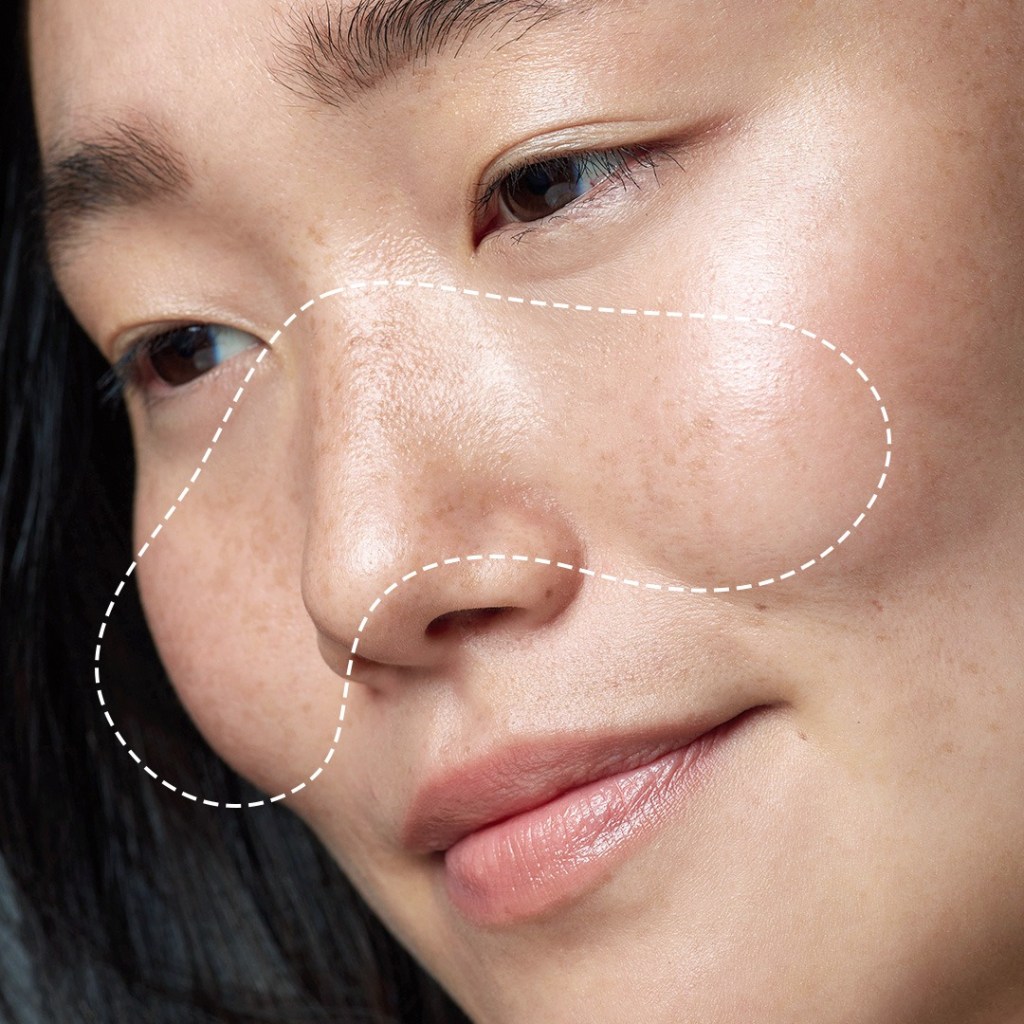
Pigmentation refers to the colouring of the skin. Your skin colour is determined by a substance called melanin, which is produced by skin cells. When these cells are affected or not in good condition, they may overproduce melanin. This excess melanin can gather together and result in a darker appearance in that particular area.
Pigmentation occurs when melanin production increases, often triggered by factors like UV exposure, ageing, hormonal changes, and skin injuries.
People have different skin colors because of melanin. Some have light skin with less melanin, while others have darker skin because they produce more melanin.
But sometimes, there can be problems with skin colour. For example, some areas might become darker (hyperpigmentation), or some spots might get lighter (hypopigmentation). This can happen because of things like too much sun, changes in hormones, genetics, or skin issues.
Laser treatments for pigmentation are a way to fix these problems. They can target the extra melanin in dark spots or help make lighter spots darker. This helps your skin look more even and natural.
What Causes Pigmentation?
Pigmentations, which result in uneven skin tone, can have various causes. Here are some of the common factors behind pigmentations:
Sun Exposure
Prolonged or excessive sun exposure is a leading cause of pigmentation. The sun’s UV rays can stimulate the production of melanin, leading to dark spots, freckles, and sunspots on the skin.
Hormonal Changes
Hormonal fluctuations, such as those that occur during pregnancy (melasma or “pregnancy mask”), menopause, or with the use of birth control pills, can trigger pigmentation issues.
Genetics
Some people are genetically predisposed to certain types of pigmentation concerns. If your family has a history of pigmentation problems, you may be more susceptible.
Skin Injuries
Injuries like cuts, burns, or acne can lead to post-inflammatory hyperpigmentation, where the skin darkens at the site of the injury.
Medications
Certain medications, like some antibiotics and antimalarial drugs, can cause pigmentation changes as a side effect.
Skin Disorders
Skin conditions such as melasma, vitiligo, and post-inflammatory hypopigmentation can result in pigmentation irregularities.
Aging
As we age, the skin’s natural ability to manage pigmentation diminishes, leading to age spots and uneven skin tone.
Types of Pigmentation
There are various forms of pigmentation that have different causes and methods of treatment. Typically, a precise diagnosis can be made instantly by closely examining the shape, colour, and distribution of the pigmentation.
Freckles

Freckles are tiny, flat marks typically found on parts of your body that are frequently exposed to the sun.
They can range in colour from tan, red, light brown to dark brown. Freckles are very common and do not pose any health risks, so treatment is typically preferred for aesthetic purposes. They tend to be more noticeable during the summer season.
Age Spots
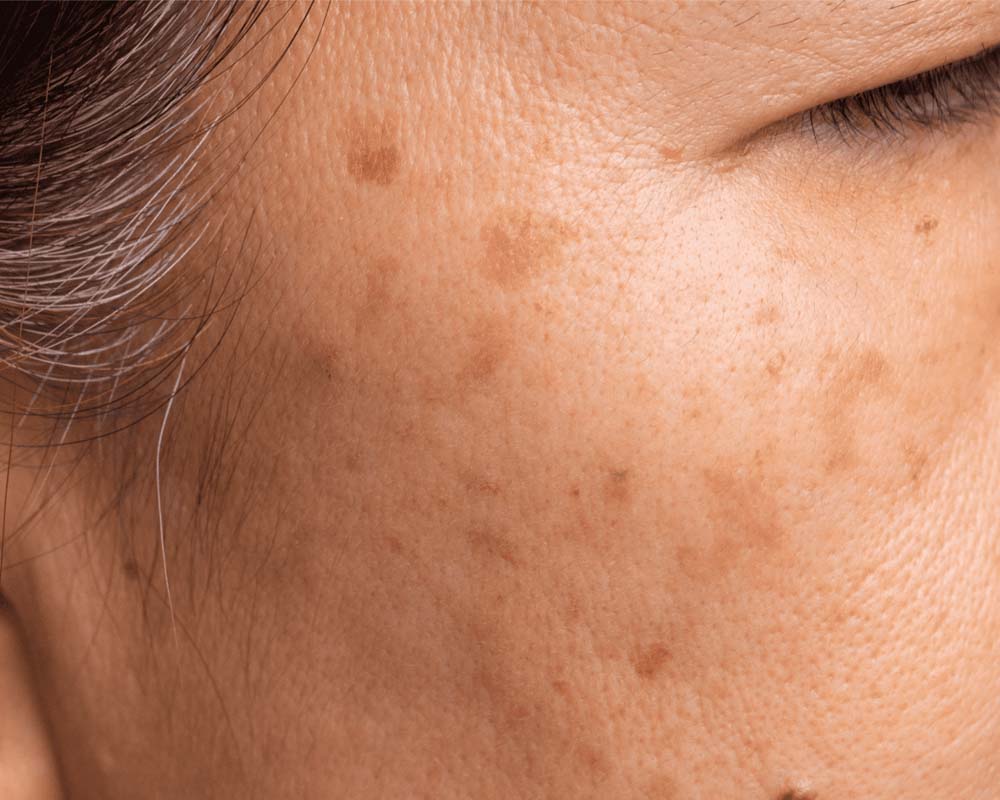
Age spots, also known as sunspots, liver spots, are small, flat dark patches on the skin that come in different sizes. They typically appear on sun-exposed areas like the face, hands, shoulders, and arms.
Age spots are a prevalent occurrence among those who are over 50.
Melasma

Melasma is a prevalent issue with the pigmentation of Asian skin, appearing as patches or speckles in shades of brown or blue-grey. It is commonly referred to as the “mask of pregnancy.”
Melasma is influenced by genetic, hormonal, and UV-related factors. It is more frequently observed in women.
Post-Inflammatory Hyperpigmentation

Post-inflammatory hyperpigmentation (PIH) is a form of skin discolouration that may develop after the skin experiences damage, such as from acne, or inflammation.
PIH appears as dark spots on the skin and can take several months or even years to fully fade away on its own without treatment.
Nevus of Ota

Nevus of Ota appears as a bluish or brownish pigmentation that resembles like a birthmark and is usually not harmful.
It is most often found on parts of the face that are connected to the trigeminal nerve, like the areas around the eyes, temples, cheeks, forehead, and nose.
Hori’s nevus
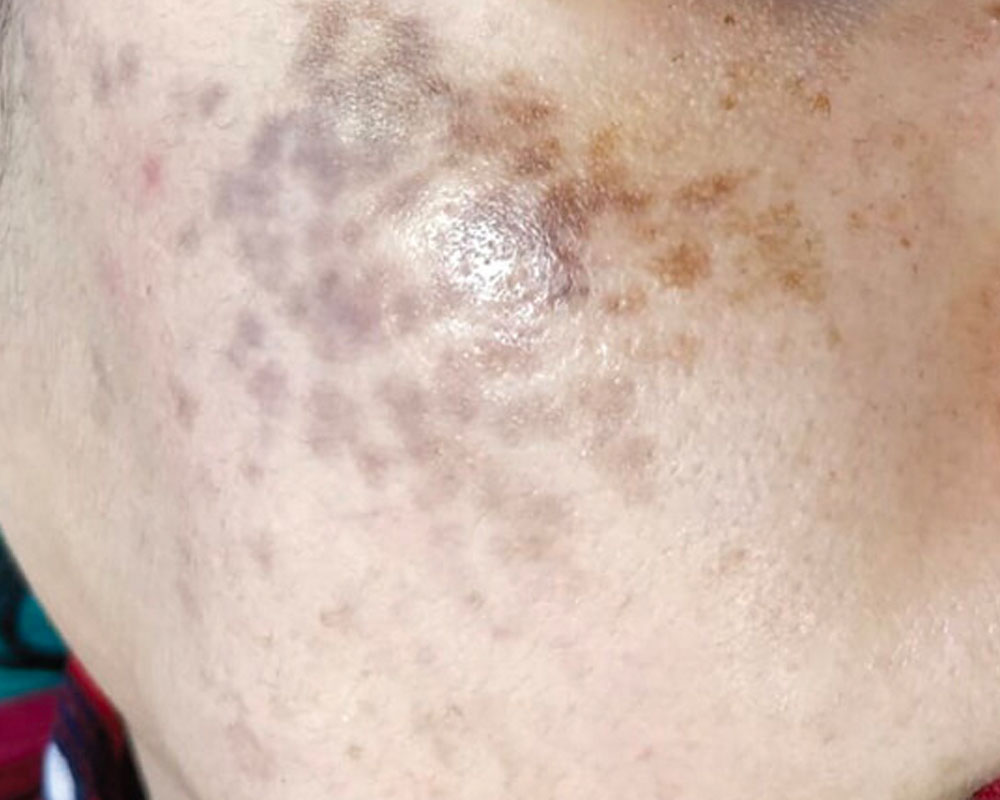
Hori’s nevus is frequently observed as a group of dark bluish-grey patches or spots that appear on the cheeks, nose, or forehead.
This condition is often hereditary and is commonly found in middle-aged women of Asian descent. It may also bear a resemblance to or exist alongside melasma.
How Can I Prevent Pigmentation?
Preventing pigmentation requires a combination of protective measures, skincare practices, skin treatments and lifestyle choices. Here are some tips to help prevent pigmentation:
01.
Sun Protection
UV radiation is a major cause of pigmentation, so protecting your skin from the sun is crucial. Use a broad-spectrum sunscreen with an SPF of at least 30 every day, even on cloudy days. Reapply every two hours and after sweating or swimming.
02.
Manage Hormonal Changes
Hormonal changes can trigger pigmentation. If you’re experiencing hormonal changes, consult a professional for appropriate treatment and skincare recommendations.
03.
Use Antioxidants
Antioxidant-rich skincare products can help neutralise free radicals caused by UV exposure. Look for products with ingredients like vitamin C, vitamin E, and niacinamide.
04.
Avoid Irritation
Irritation and inflammation can exacerbate pigmentation. Use gentle skincare products and avoid aggressive treatments that could potentially cause irritation.
05.
Wear Protective Clothing
Cover your skin with clothing, hats, and sunglasses when you’re in direct sunlight. This helps minimise your skin’s exposure to harmful UV rays.
06.
Consult a Professional
If you’re struggling with persistent pigmentation issues, it’s a good idea to consult a professional for personalised advice and recommend treatments like Pico Laser or prescription creams.
How To Get Rid Of Pigmentation?
Pigmentation removal can be a gradual process that requires patience and consistent skincare practices. Here are some steps you can take to help reduce pigmentation. However, you are advised to speak with your consultant to find out what suits you best.
Here are some steps you can take to help reduce pigmentation. Speak to our consultants in Malaysia to find out what suits you best.
01.
Pico Laser Treatment
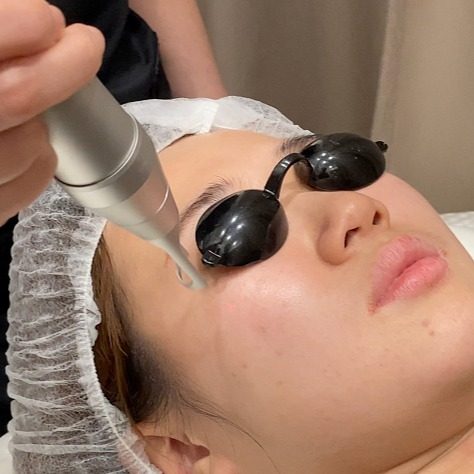
This Pico Laser treatment is an advanced picosecond treatment aimed at removing all sorts of pigmentation, from dark spots to melasma to acne scars. It uses picosecond pulse energy to break down unwanted skin pigments into the smallest possible fragments. It will then be easily removed by the body naturally.
The treatment is typically comfortable for most patients and has minimal to no downtime. Results are usually permanent unless new pigmentations are formed.
Read more:
02.
Topical Treatments
There are skincare products with ingredients that are targeting towards pigmentation such as:
- Vitamin C: Brighten skin and reduce pigmentation over time
- Retinoids: Help with skin cell turnover and fading pigmentation
- Niacinamide: Regulate pigmentation production and improve the appearance of pigmented areas
- Alpha Hydroxy Acids (AHAs): AHAs like glycolic acid can help exfoliate the skin and fade pigmentation
03.
Oral Medications
Oral treatments for pigmentation often incorporate substances such as tranexamic acid, which works to hinder the overproduction of melanin in the skin.
Approved oral supplements also play a role in diminishing pigmentation using active elements like L-cysteine or carotenoids. These elements provide protection against photoaging, enhance skin tone, and promote overall skin well-being.

What is the Pico Laser Treatment About?
The Pico Laser treatment is a non-surgical, non-invasive picosecond treatment that targets different skin concerns such as:
- Melasma, freckles, age spots
- Hyperpigmentation
- Acne and acne scars
- Uneven skin tone
- Enlarged pores
- Fine lines, wrinkles
Why Choose Pico Laser Treatment For Pigment, Melasma, Freckles & Dark Spot Removal?
- Potentially Effective Rate: Pico Laser treatment has been associated with a good clearance rate for conditions like freckles, according to some studies. Explore the effectiveness of picosecond treatment in this study.
- Minimal Disruption: Pico Laser treatment generally requires little to no downtime, facilitating a quicker return to daily routines, which is ideal for those with busy schedules.
- Precise and Safe: The Pico Laser treatment technology targets only the pigmented cells aiming to preserve the surrounding skin and minimise the likelihood of side effects, thus enhancing safety.Mal
- Quick Results: Many patients experience noticeable improvements in their skin condition after just a few sessions, although results can vary.
- Versatile Treatment: The Pico Laser treatment is not only used for treating pigmentation; it also promotes collagen production, potentially improving skin texture and firmness over time.
Price For Pico Laser Treatment Pigmentation Removal Malaysia
Prices for Pico Laser treatment pigmentation removal starts from RM 88 per session.
Frequently Asked Questions About Pico Laser Treatment Pigmentation Removal
Here are the answers to some popular questions about pigmentation removal. If you can’t find your question below, please reach out to your consultant.
Is pigmentation removal painful?
Generally, pigmentation removal treatments, result in little or no pain. It is often considered as comfortable with low downtime and discomfort for most people. However, individual experiences may vary. The severity of pigmentation, be it dark spots, acne scars or freckles, can also influence this.
What makes pigmentations worse?
Sun exposure ranks as the primary culprit behind pigmentation. Sunlight serves as the initial stimulus for melanin production, which the body finds necessary since melanin functions as a built-in sunscreen for your skin. However, while shielding you from the detrimental effects of UV rays, the production of more melanin leads to pigmentation.
Does Pico Laser pigmentation treatment work on all skin types?
Pico Laser pigmentation treatments can be effective for many skin types. However, outcomes can vary depending on individual skin characteristics. It’s essential to consult with a professional to assess suitability based on your specific skin type and pigmentation concerns.
Does pigmentation fade away naturally?
Post-inflammatory hyperpigmentation caused by acne may fade over time but this is not always the case. Pigmentation caused by prolonged sun exposure will likely worsen over time if left untreated.
How do pigmentations removal treatments work?
Pigmentation removal treatments typically work by targeting the excess melanin (pigment) in the skin and either breaking it down, encouraging its removal, or inhibiting its production. Some of these treatments include topical creams and non-invasive procedures.
How will the skin react?
Post-treatment, the skin may exhibit mild redness and slight swelling, which typically subsides within a few hours to a few days. Following the post-treatment care instructions provided by your specialist is crucial for optimal recovery.
Do pigmentations get worse with age?
Pigmentation concerns can become more noticeable or appear to worsen with age for several reasons, such as cumulative sun damage, slower skin cell turnover and hormonal changes.
Are pigmentation Removal results permanent?
While these treatments aim at removing pigmentation permanently, they do not prevent future development. It is best to ensure continued protection from the sun to prevent that from happening
How long are treatments?
Each session typically lasts between 15 to 30 minutes, depending on the area being treated and the severity of the pigmentation.
Will Pico Laser pigmentation removal scar my skin?
Pico Laser pigmentation removal is generally a safe procedure with a low risk of scarring when performed by a qualified and experienced professional. Proper aftercare is vital to minimise any potential risk of adverse effects, including scarring.