
Fine Lines & Wrinkles
Fine lines and wrinkles are some of the most common skin concerns. They appear as folds and cracks on your skin, and it’s only natural that you’d prefer to keep these signs of ageing at bay.
While reversing wrinkles without medical or aesthetic help can be challenging, there are steps you can take to slow down their progression. Exploring wrinkle treatments is one of the options.


What Causes Wrinkles & Fine Lines?
Everyone will age and our skin is usually the first to show the signs. That is why the skin of a baby and someone in their golden years looks vastly different.
Fine lines and wrinkles occur when your skin loses collagen and elasticity with age. This causes your skin to get thinner and develop fine lines due to repeated folds from facial expressions. These lines are commonly found around the mouth, eyes, and forehead. Their formation can be accelerated by multiple factors, such as sun exposure, pollution, and lifestyle, and can be managed with treatments.
Types of Wrinkles
Not all fine lines are the same. Wrinkles can be classified into 2 classes, depending on how they are formed.
Most individuals begin noticing wrinkles in their mid-30s, and it’s crucial to determine the type because different wrinkles may require different treatments.
Dynamic Wrinkles
Dynamic wrinkles imply movement and they are usually formed with facial expressions. The repeated contraction of facial muscles causes the skin to fold and develop lines over time. One of the easiest ways to recognise dynamic wrinkles is to see if they disappear when your face is at rest.
Static Wrinkles
Static wrinkles are more visible and may remain visible even when your face is relaxed. They are naturally caused by the thinning of your skin, indicating reduced skin elasticity. Static wrinkles often form in areas where dynamic wrinkles are common but can also appear in regions such as the cheeks and neck.
Where Do Wrinkles Usually Form?
Wrinkles and fine lines form around areas with common muscle contraction. Here are some of the most common fine lines on the face.
Forehead Lines
Form horizontally across the T-zone of the forehead

Bunnies
Lines that etch from the nose bridge horizontally between the eyes

Crows’ Feet
Common wrinkles that branches from the outer corner of the eyes

Smile Lines
Found around the smile lines of the upper lips
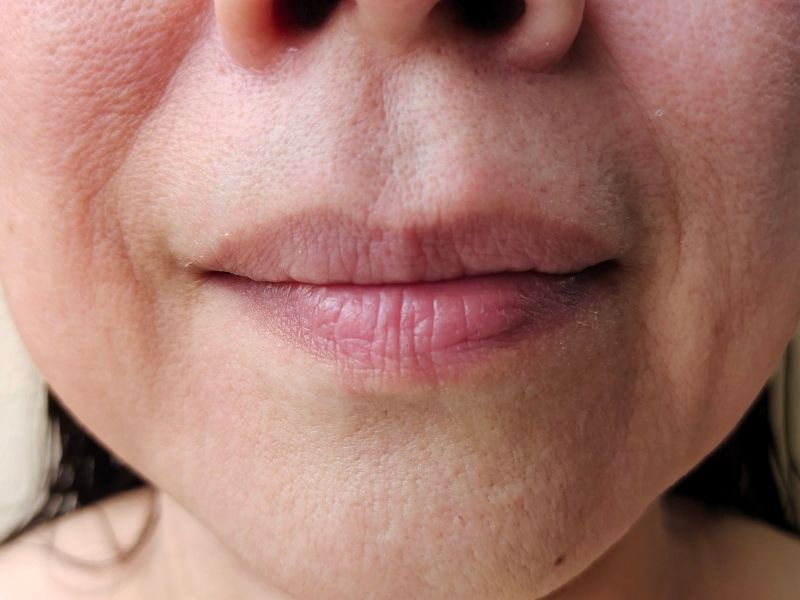
Lip Lines
Form vertically around the perimeter of the mouth

Marionette Lines
Extend from the corners of the mouth down to the chin

How Can I Prevent Wrinkles?
Although genetics can play a role in how your skin ages over time, certain lifestyle choices can help slow down the formation of wrinkles and support your skin’s youthful appearance. Before exploring any treatments, consider incorporating these preventive measures into your daily routine.
01.
Avoid Excess Sun
Fostering a habit of wearing a wide-brim hat and sunglasses can drastically lower sun exposure. Besides that, apply sunscreen with an SPF of at least 30 daily to minimise UV damage. A study conducted in 2019 has demonstrated the effectiveness of sunscreen against the visible signs of ageing.
02.
Stay Hydrated
Drinking plenty of water can help flush toxins from the body and keep the skin looking healthy and hydrated from the inside. High water intake affects skin physiology and retains hydration of the skin which improves skin elasticity and corrects tissue damage.
03.
Balanced Diet
Healthy dietary habits are associated with facial wrinkling, especially in women. According to a study, a woman’s diet with more red meat and snacks would tend to develop more wrinkles than a woman who includes more fruits and balanced nutrition.
04.
Sleep on Your Back
Your sleeping position is a contributing factor to the formation of wrinkles. Individuals who press their faces onto the pillow are more prone to sleep wrinkles. You may choose to swap out smoother pillowcases which exert less pressure on your face.
05.
Manage Your Lifestyle
Make conscious healthy choices and avoid smoking or drinking excessively to retain your skin’s elasticity. Studies have shown that a healthier lifestyle significantly reduces the risk of premature wrinkle formation, ensuring your skin remains youthful.
06.
Control Facial Motions
Reducing repeated facial movements like squinting and frowning can help to slow down the formation of dynamic wrinkles. If you find yourself frequently engaging in these facial expressions, consider exploring techniques to relax facial muscles.
Eliminating Fine Lines and Wrinkles With HIFU Treatment
Reducing wrinkles and fine lines to achieve youthful skin is possible with High-Intensity Focused Ultrasound (HIFU) Skin Tightening Treatment. HIFU is usually performed on the face and neck to reduce signs of ageing. This non-invasive treatment stimulates collagen growth so the skin can gradually regain its firmness and elasticity, resulting in fewer visible wrinkles and fine lines. HIFU can also be combined with other treatments, such as the Pico Glow, for enhanced results.

How Does HIFU Work Against Wrinkles?
HIFU treatment uses ultrasound technology to penetrate deep into the skin to heat targeted areas up to 70 degrees Celsius. The focused beam melts excess fats and stimulates collagen to tighten skin, delivering a skin-tightening effect.
As a result, the tightened skin may help reduce the appearance of fine lines and wrinkles, contributing to a more youthful complexion. Patients typically experience gradual improvements over the course of 4-6 weeks, with full results becoming noticeable in approximately 2-3 months.
Why Choose HIFU for Wrinkles?
High-Intensity Focused Ultrasound (HIFU) is a popular choice for those looking to address signs of ageing without undergoing surgery. Here are some potential benefits of choosing HIFU for wrinkle treatment:
- Smooths Wrinkles on the Face: HIFU targets deep layers of the skin, which may help in smoothing the appearance of wrinkles and fine lines on the face. While individual results can vary, many patients notice a softening of facial lines, contributing to a refreshed look.
- Improves Skin Elasticity: The treatment is designed to stimulate collagen production, which can improve skin elasticity over time. Increased collagen can lead to skin feeling firmer and appearing more supple, although the degree of improvement can differ from person to person.
- Enhances Neck and Facial Skin: HIFU isn’t limited to the face; it can also be applied to the neck, potentially improving the texture and tone of the skin in this area. This dual capability allows for a more uniform anti-aging treatment across both areas.
- Reduces the Appearance of Jowls: HIFU may help in firming up the skin around the jawline, which could reduce the appearance of jowls. This contouring effect can enhance the profile but will depend on the individual’s skin condition and the severity of the jowls.
- Lifts Drooping Eyelids or Eyebrows: Some patients experience a lifting effect on drooping eyelids or eyebrows, which can contribute to a more awake and youthful appearance. However, the extent of lift and the duration of the results can vary.
For those in Malaysia considering a non-invasive approach to manage ageing signs, HIFU offers a treatment option that avoids surgery. While it holds promise, it’s important for potential clients to have realistic expectations and discuss their specific situation with a qualified professional to determine the likely benefits for their particular skin type and concerns.
How to Prepare for the Procedure
Preparing properly for a HIFU treatment can help ensure the best possible results. Here are some key steps to follow:
- Avoid Sun Exposure: Minimise sun exposure for at least a week before your wrinkle treatment to avoid skin irritation.
- Cleanse the Skin: Ensure your skin is clean and free of any products or makeup on the day of the procedure.
- Stay Hydrated: Drink plenty of water in the days leading up to your appointment to help keep your skin hydrated.
- Avoid Anti-Inflammatory Drugs: Refrain from taking any anti-inflammatory medications (e.g., ibuprofen) for a couple of days before the treatment, as these can increase bruising.
- Consult Your Technician: Discuss any medications you are taking with your technician to avoid any potential complications during the treatment.
These preparatory steps can help maximise the effectiveness of your HIFU session and contribute to a smoother recovery process.
What to Expect After the Procedure
After undergoing a HIFU treatment, here are some common experiences you might encounter:
- Swelling: It’s normal to see some swelling in the treated areas. This typically subsides within a few days.
- Mild Tingling or Tenderness: You may feel a mild tingling sensation or tenderness to the touch, which should diminish within a few hours to a couple of days.
- Small Areas of Bruising: Occasionally, small bruises can appear at the treatment sites. These are usually minor and fade within a week.
- Immediate Normal Activities: Most patients can return to their normal activities immediately without any downtime.
- Gradual Improvements: While some effects can be noticed immediately, the full benefits of the treatment, such as skin tightening and smoothing of wrinkles, generally develop over the following months as collagen production increases.
These post-procedure experiences vary from person to person but are generally mild and temporary. It’s important to follow any specific aftercare instructions provided by your practitioner to support the healing process. Read our guide to HIFU aftercare to learn more about optimising your results and ensuring a smooth recovery.
Wrinkle Removal Cost With HIFU
The cost of HIFU for wrinkle removal varies; please visit our promotions page or contact us directly for the most current pricing and offers.
Frequently Asked Questions About Fine Line And Wrinkle Treatment
Here are the answers to some popular questions about fine lines and wrinkles and treatments for them. If you can’t find your question below, please reach out to your consultant.
Can wrinkles naturally fade away?
Improving your habits, such as maintaining proper hydration and leading a healthy lifestyle, helps reduce the appearance of wrinkles. However, it’s essential to understand that they may not completely go away naturally.
Does HIFU cause fats around the skin to melt?
HIFU helps to induce the breakdown of fat, but it’s important to remember your goal of the treatment, which is wrinkle reduction. Clarifying your expectations helps deliver more satisfying results. You can also read our guide to HIFU Treatment to understand the procedure better.
Am I a good candidate for this procedure?
HIFU is generally well-suited for individuals with mild to moderate skin laxity and those who prefer non-surgical treatments. However, suitability can vary widely based on individual skin conditions and health, making a professional consultation essential for a personalised assessment.
How long do the results last?
The results from HIFU wrinkle treatment can last for up to a year or more, depending on the individual’s skin condition and natural ageing process. Many patients see continuous improvement for several months as collagen production increases.
Which is the hardest wrinkle to get rid of?
The most stubborn wrinkles tend to be those located where facial muscles are most active. These deep-set wrinkles are commonly found around the mouth, eyes, and forehead.
How often should I do HIFU?
After each treatment session, your body requires time to recover, so it is advisable to adhere to your recommended treatment schedule. The frequency of treatment may vary for different individuals, but generally, expect treatments every 4-6 months.
What does the treatment feel like?
During a HIFU wrinkle treatment, you may feel a warming sensation as the ultrasound energy is delivered into the targeted layers of your skin. Some patients describe it as tiny electric pulses or a light prickling. Discomfort levels vary but are generally brief and manageable.
Can HIFU be combined with other treatments?
Yes, HIFU can be combined with other treatments such as fillers or therapies for enhanced results. It is important to discuss with your skincare specialist what treatments are appropriate to combine based on your skin’s needs.
Is the HIFU treatment painful?
During the HIFU procedure, you may experience mild discomfort due to the heat generated by the ultrasound device. Numbing cream can be applied to alleviate any discomfort, and most patients typically find the level of pain quite tolerable.
Are there any risks and side effects of the HIFU treatment?
HIFU is a non-invasive, non-surgical procedure. Serious complications are rare, though you may notice temporary redness on your face right after the procedure. There is minimal to no downtime and any side effects will gradually fade away in a few hours.
How quickly will I recover?
Most people can return to their daily activities immediately after a HIFU wrinkle treatment, as there is typically no downtime required. Minor redness or swelling may occur but usually resolves quickly within a few hours to a day.
Is there anyone who should avoid HIFU?
HIFU wrinkle treatment might not be suitable for everyone, including those with severe skin sagging, certain skin conditions, or active implants in the treatment area. Also, it is generally advised that pregnant women postpone the treatment.