
Have you ever wondered why your skin sometimes feels like it’s throwing a tantrum? Maybe it’s dry, irritated, or breaking out unexpectedly.
The culprit might just be your skin barrier. Yes, your skin has a barrier, and it’s more important than you might think.
Let’s dive into what the skin barrier is, how it works, and most importantly, how to repair it when things go awry.
What is the Skin Barrier?
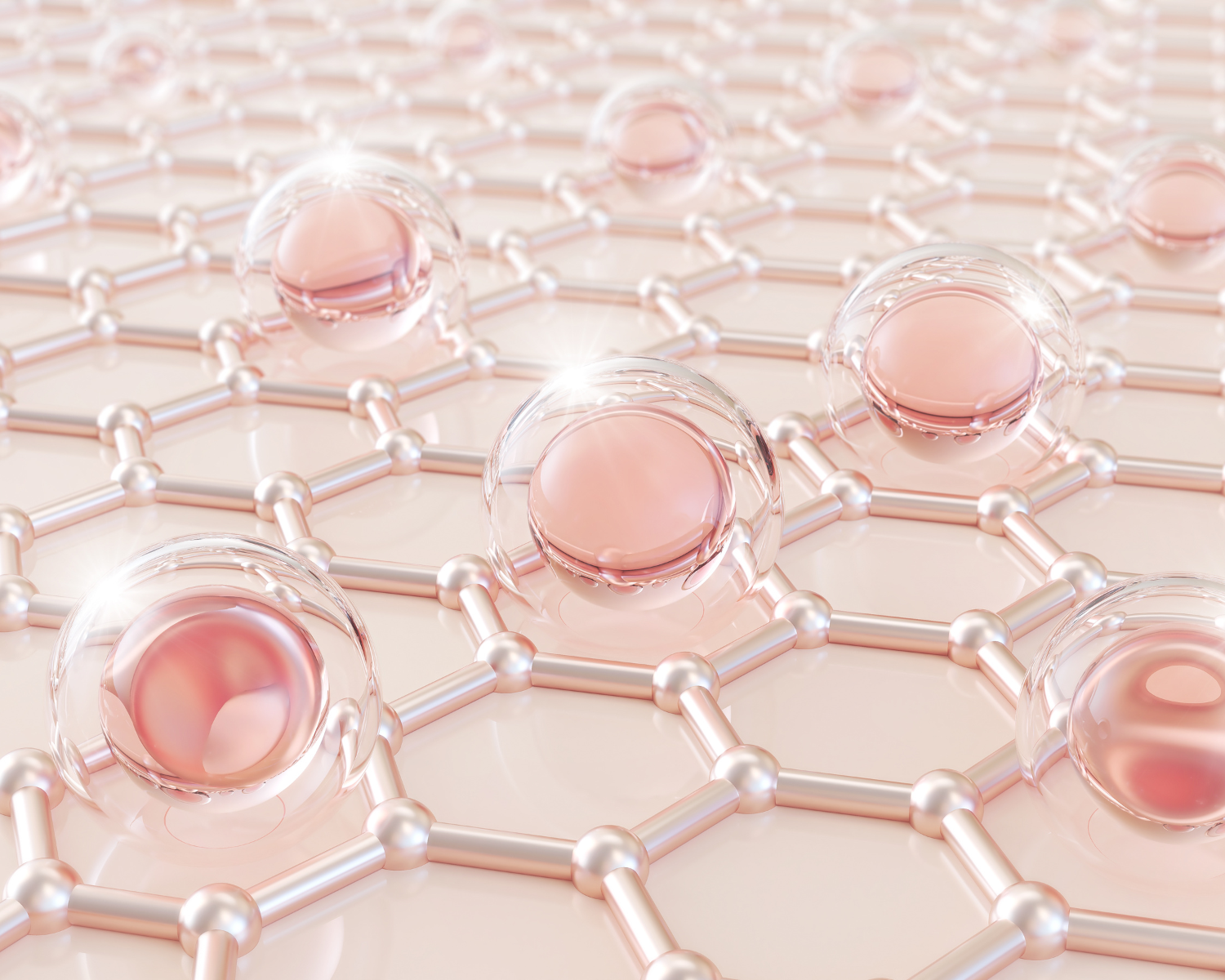
Think of your skin barrier as your skin’s personal bodyguard. Technically known as the stratum corneum, this outermost layer of your skin is a tough and protective shield made up of cells called corneocytes and lipids (fats).
The main job of your skin barrier is to keep the good stuff in—like moisture—and the bad stuff out—like pollutants, bacteria, and other harmful elements.
Imagine it as a brick wall where the corneocytes are the bricks and the lipids are the mortar holding them together. This wall not only protects but also maintains your skin’s hydration levels, keeping it plump and healthy.
What Does a Good Skin Barrier Look Like?
A healthy skin barrier is like a perfectly constructed wall: smooth, intact, and resilient. When your skin barrier is in good shape, your skin looks hydrated, smooth, and radiant. It feels soft and supple to the touch, and it’s less prone to irritation and sensitivity. Essentially, your skin is at its happiest and most cooperative when its barrier is functioning optimally.
What Are the Signs of a Damaged Skin Barrier?
A damaged skin barrier, on the other hand, is like a crumbling wall with missing bricks and cracks. There are several telltale signs that your skin barrier might be compromised:
Dryness and Flakiness
Your skin feels tight, dry, and may even peel.
Redness and Irritation
Your skin looks red and feels irritated, burning, or stinging when you apply products.
Breakouts
You might experience increased acne or blemishes.
Sensitivity
Your skin reacts more easily to products, environmental changes, or stress.
Rough Texture
our skin feels rough or uneven to the touch.
What Will a Damaged Skin Barrier Lead To?
Ignoring a damaged skin barrier can lead to a cascade of issues. When your skin barrier is compromised, it loses its ability to effectively keep moisture in and irritants out. This can lead to:
Increased Sensitivity
Your skin becomes more reactive to products and environmental stressors.
Chronic Dryness
Your skin struggles to retain moisture, leading to persistent dryness.
Inflammation
You may experience ongoing inflammation, which can exacerbate conditions like eczema or rosacea.
Aging
A damaged barrier can accelerate the appearance of fine lines and wrinkles due to lack of hydration and increased exposure to harmful elements.
Ways to Repair Your Skin Barrier
Repairing your skin barrier isn’t about a quick fix; it’s about a dedicated, consistent approach to nurturing your skin back to health. Here are some effective ways to restore your skin barrier:
Gentle Cleansing
The first step in repairing your skin barrier is to treat it gently. Opt for a mild, hydrating cleanser that won’t strip your skin of its natural oils. Harsh soaps and cleansers can further disrupt the barrier, so look for products labeled as gentle or suitable for sensitive skin. Cleansing your skin without over-drying it is crucial.
Hydrating Moisturiser
Moisturising is key to repairing your skin barrier. Choose a moisturiser rich in ceramides, fatty acids, and hyaluronic acid. Ceramides help rebuild the skin’s barrier function by filling in the gaps between skin cells, while hyaluronic acid attracts and retains moisture. Apply your moisturiser immediately after cleansing to lock in hydration.
Avoid Over-Exfoliating
While exfoliation is essential for removing dead skin cells, over-exfoliating can damage your skin barrier. Limit the use of physical exfoliants and opt for gentle chemical exfoliants like lactic acid or PHA (polyhydroxy acid). These exfoliants are milder and less likely to disrupt your skin’s delicate balance.
Barrier-Repair Serums
Invest in serums specifically formulated to repair and strengthen the skin barrier. Look for ingredients like niacinamide, peptides, and squalane. Niacinamide helps improve the skin’s elasticity, enhance its barrier function, even out skin tone, and diminish dullness. Peptides support collagen production, and squalane, a lipid, mimics your skin’s natural oils to provide hydration and protect the barrier.
Humidifiers
Environmental factors can significantly impact your skin barrier. Using a humidifier in your home, especially during dry seasons, can add moisture to the air and prevent your skin from drying out. This helps maintain a healthy skin barrier by ensuring your environment isn’t stripping moisture from your skin.
Sunscreen
Sun damage is one of the leading causes of a compromised skin barrier. Daily sunscreen application is non-negotiable. Choose a broad-spectrum sunscreen with an SPF of at least 30, and make it a part of your morning routine. Protecting your skin from UV rays helps preserve its barrier function and overall health.
Pico Glow

For a more advanced treatment, consider Pico Glow, available in Malaysia at V Aesthetics for just RM88 nett. Pico Glow is a non-invasive treatment that uses short bursts of energy to stimulate collagen production and improve skin texture. This treatment can help repair your skin barrier by promoting cellular regeneration and enhancing the skin’s overall resilience.
How Pico Glow Works:
- Stimulates Collagen: Pico Glow stimulate collagen production deep within the skin.
- Improves Texture: It targets damaged skin cells, promoting a smoother and more even skin texture.
- Enhances Barrier: By boosting collagen and elastin, Pico Glow helps strengthen the skin barrier, making it more resistant to external aggressors.
Balanced Diet and Hydration
What you eat can affect your skin’s health. A diet rich in antioxidants, healthy fats, and vitamins can support skin barrier repair. Omega-3 fatty acids, found in fish and flaxseeds, help maintain the skin’s lipid barrier. Staying hydrated by drinking plenty of water also ensures your skin remains plump and healthy.
Avoid Irritants
Identify and avoid potential irritants that could be damaging your skin barrier. This includes harsh skincare products with alcohol, fragrances, and sulfates. Simplify your skincare routine and stick to products designed for sensitive skin until your barrier is fully repaired.
Consult a Dermatologist
If your skin barrier is severely damaged or not improving with at-home care, it’s time to consult a dermatologist. A professional can provide targeted treatments and recommend products that are specifically suited to your skin’s needs. They may suggest prescription-strength creams or treatments that can accelerate the healing process.
Conclusion
Repairing your skin barrier is a journey, not a sprint. It requires patience, consistency, and a willingness to listen to your skin’s needs. By adopting gentle skincare practices, incorporating hydrating and barrier-repairing ingredients, and protecting your skin from environmental damage, you can restore your skin’s health and resilience.
Remember, a healthy skin barrier is the foundation of beautiful, radiant skin. When your barrier is strong and intact, your skin can effectively protect itself, retain moisture, and look its best. So, take the time to nurture your skin barrier, and you’ll be rewarded with a complexion that’s not only healthy but also glowing and vibrant. Whether you’re trying out Pico Glow at V Aesthetics or simply switching to a gentler cleanser, every step you take towards repairing your skin barrier is a step towards achieving the skin of your dreams.