
Enlarged Pores Treatments
Pores are small openings on the surface of the skin that serve several essential functions, such as releasing sebum and sweat. They are part of the skin’s structure and play a role in maintaining skin health.
Enlarged pores are often identified to be associated with the development of acne in individuals who seek treatment. This condition arises when dirt, excess oil, or accumulated dead skin cells obstruct the pores. It is generally more prevalent among individuals with oily skin.

What Are Enlarged Pores?
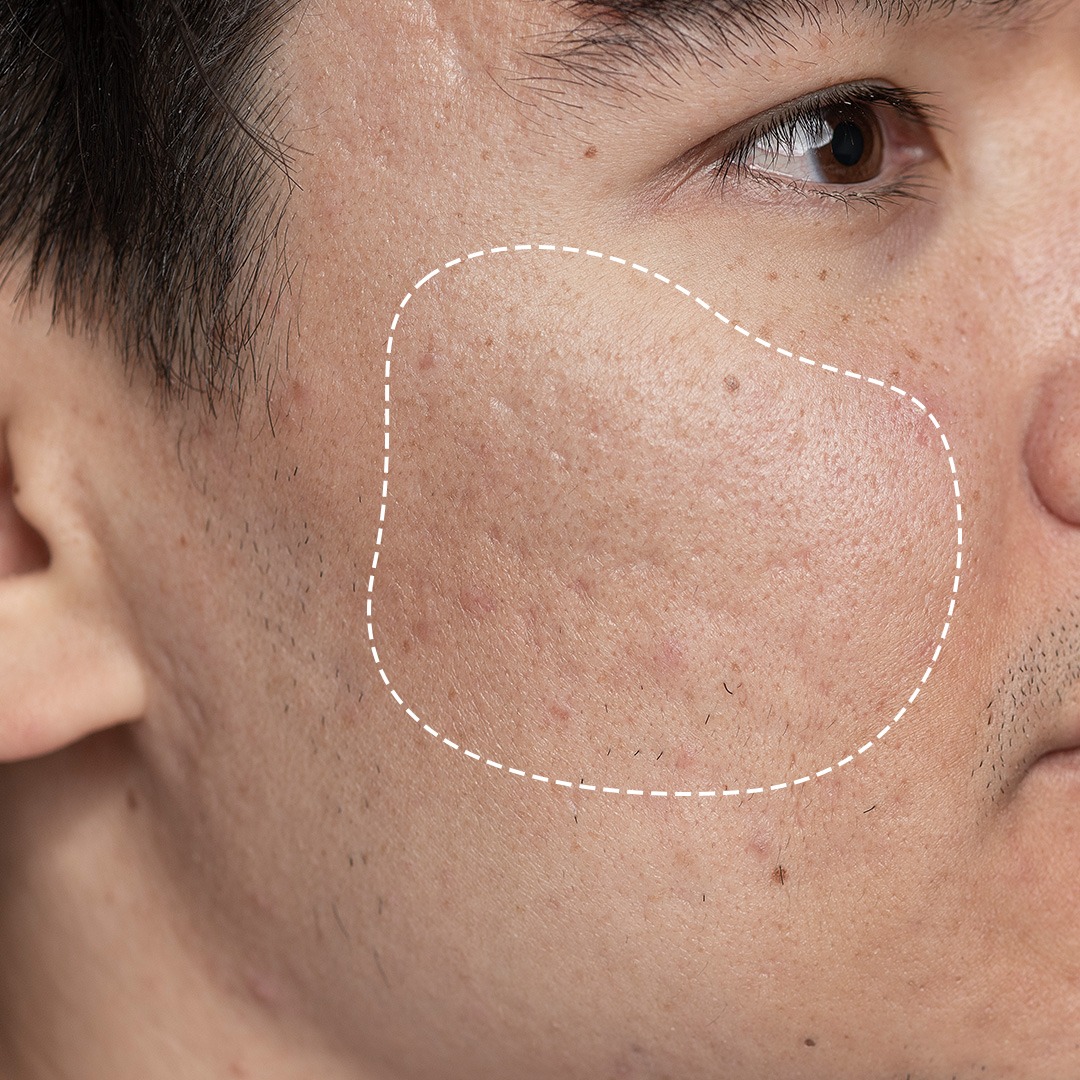
Pores are tiny openings in your skin that release oil and sweat from your glands. Enlarged pores, also known as enlarged or dilated hair follicles or oil glands, are a common cosmetic concern among individuals seeking skin treatments.
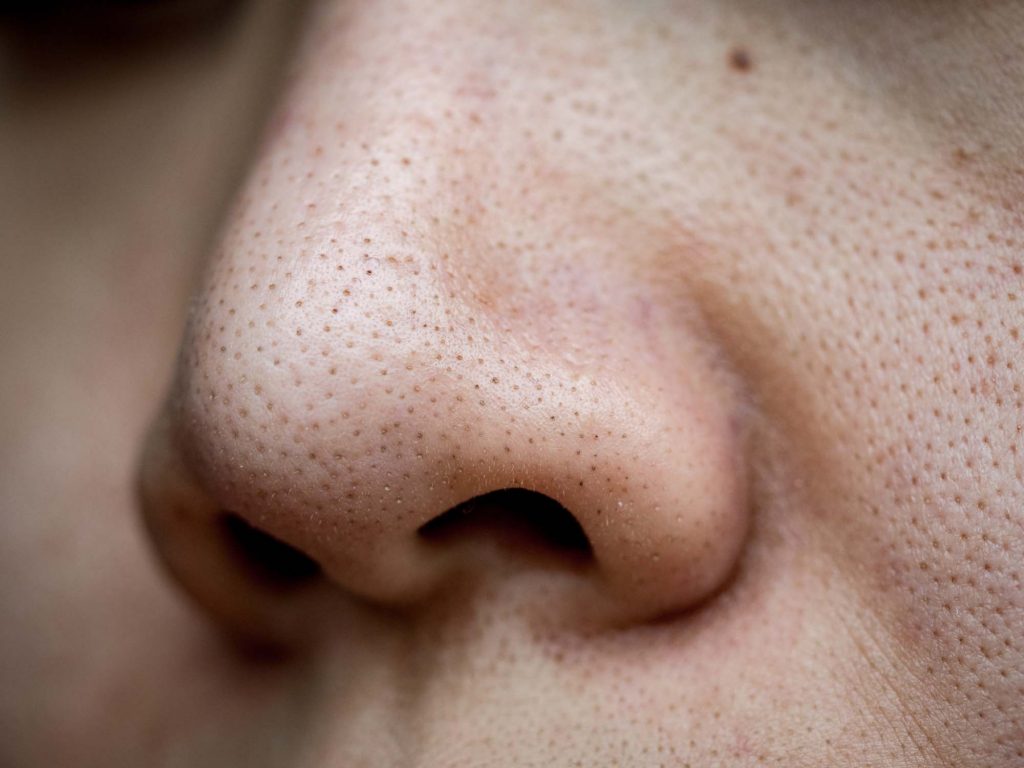
They are characterised by visibly larger and more prominent openings on the skin’s surface. Enlarged pores often occur in areas with a higher density of sebaceous (oil) glands, such as the face, especially the nose, cheeks, and forehead.
Reasons For Enlarged Pores
Enlarged pores can be caused by several factors, and they often result from a combination of these factors.
Some common causes of enlarged pores include:
Excessive Sebum Production
When sebaceous glands produce excess sebum, it can collect in your pores and stretch and enlarge them, making them more noticeable.
Ageing
As you get older, your skin naturally loses collagen and elastin, which are responsible for keeping your skin firm and elastic. This loss of elasticity can lead to the appearance of larger pores.
Sun Damage
Prolonged and unprotected exposure to UV radiation from the sun can break down collagen and elastin fibres in the skin. This can result in decreased skin elasticity and enlarged pores.
Genetics
Your genetics play a role in determining your skin type and the size of your pores. If your parents or close relatives have large pores, you may be more prone to having them as well.
Clogged Pores
Accumulation of dirt, oil, dead skin cells, and other debris within the pores can lead to clogs. When these clogs are not regularly removed with facial treatment procedures like cleansing and exfoliation, they can stretch and enlarge the pores.
Hormonal Changes
Hormonal fluctuations, such as those that occur during puberty, pregnancy, or menopause, can stimulate the sebaceous glands to produce more oil, potentially contributing to enlarged pores.
Cosmetics and Skincare Products
Certain makeup and facial treatment products that are heavy or comedogenic may contribute to clogged pores and the appearance of enlarged pores.
Unhealthy Lifestyle Choices
Smoking and excessive alcohol consumption can contribute to skin damage, including the loss of skin elasticity and enlarged pores.
Picking or Squeezing Pimples
Frequently picking or squeezing pimples and blackheads can damage the skin and surrounding tissue, leading to larger pores.
How to Minimise Pores Naturally?
Minimising enlarged pores naturally involves adopting a consistent skincare routine and making certain lifestyle choices that can help improve the appearance of your skin.
Here are some natural treatments and approaches that may help reduce the visibility of enlarged pores:
01.
Cleanse Regularly
Keep your skin clean by washing it twice daily with a gentle, pH-balanced cleanser. This helps remove excess oil, dirt, and debris that can accumulate in pores.
02.
Exfoliate
Regular exfoliation treatment can help remove dead skin cells that can clog pores and make them appear larger. Opt for a gentler exfoliant, such as salicylic acid, glycolic acid, or enzymes.
03.
Lifestyle and Diet
Avoid smoking, limit alcohol consumption and consume a diet rich in antioxidants, vitamins, and minerals as these habits can contribute to skin damage and enlarged pores.
Remember that natural interventions may not provide dramatic or permanent results, especially for deeply enlarged pores. For severe concerns or persistent issues, consider consulting a professional who can recommend treatments to address your concerns.
Truths About Pores
Pores are an essential and natural part of your skin’s structure, and there are several truths about pores that you should be aware of:
- Pore Size is Mostly Genetic: According to a journal from Dermatologic Surgery, the size of your pores is primarily determined by your genetics. If your parents have large pores, you are more likely to have them as well. However, other factors like skin type and age may influence pore size.
- You Can’t Permanently Shrink Pores: Contrary to popular belief, no treatments can permanently change the size of your pores. Pore size is determined by the size of the oil glands beneath them. While you can temporarily reduce the appearance of pores, they will return to their natural size over time.
- Pores Don’t Open and Close: Pores do not have muscles or mechanisms that allow them to open and close like doors. The idea that steam or hot water treatment opens pores is a misconception. Instead, steam can soften the sebum (oil) in pores, making it easier to cleanse or extract impurities.
Treatments to Reduce Enlarged Pores
There are several treatments available for reducing the appearance of enlarged pores. These treatments can help improve skin texture, minimise clogs, and make pores appear smaller.
Keep in mind that while these treatments may improve your pores condition, they generally can’t change your pore size permanently, and maintenance is often necessary. Here are some common treatments for enlarged pores:
01.
PicoGlow™ Laser Treatment
PicoGlow Laser Treatment is a picosecond treatment for multiple skin concerns, such as enlarged pores and scars. This treatment for pores minimises, and facilitates your skin’s healing abilities. It assists in collagen growth without damaging your surrounding skin, and reduces sebum production.
02.
Topical Treatments
Topical treatments with retinoids, which are derived from vitamin A, are available in both prescription and over-the-counter forms. They support the process of cell turnover and collagen production, as well as help unclog pores. Over time, this can result in smaller-looking pores and smoother skin.
03.
Chemical Peels
Chemical peel treatment involves the application of a chemical solution to the skin, which exfoliates the top layer. This may enhance skin texture and reduce the appearance of pores. Different types of peels, from mild to deep, can be done based on the severity of your issues.
What is PicoGlow Laser?
PicoGlow Laser Treatment is a non-surgical, non-invasive picosecond treatment for different skin concerns such as:
- Melasma, freckles, age spots
- Hyperpigmentation
- Acne and acne scars
- Uneven skin tone
- Enlarged pores
- Fine lines, wrinkles
Pros and Cons of Using PicoGlow™ Laser for Pores Reduction
To gain a well-rounded perspective, we’ll delve into the advantages of pore treatment such as Pico Glow™, followed by a discussion of potential downsides.
Pros
- Non-Invasive: PicoGlow™ Laser utilise ultra-short pulses for a more precise and gentler impact. No needles or surgical incisions involved.
- Improvements in Pores’ Condition: Pore treatments that use PicoGlow Laser might improve pore appearance after several sessions, but results can vary.
- Support Collagen Stimulation: Treatments using PicoGlow Laser for pores support the process of collagen production, which may lead to improved skin texture and elasticity over time.
- Generally Minimal Downtime: Some individuals may experience some redness or swelling, but most people may resume normal activities after treatment.
- Customisable Treatments: There are different types of treatment suitable for various skin types and pore concerns.
- Potential Address Your Concern with Proper Maintenance: With good skincare practices, the results of pore treatment may last for a longer period.
Cons
- Scarring and Hyperpigmentation Risks: While uncommon, treatments performed by unqualified professionals can potentially lead to scarring or darkening of the skin.
- Infection Potential: Strict aftercare is crucial as improper cleaning can increase the chance of infection, potentially worsening your skin concerns.
- Multiple Sessions with Uncertain Results: Treatment results often requires multiple sessions, and the effectiveness in minimising pores can vary depending on the severity and your response. Long-term results might also be difficult to predict.
- Significant Cost Factor: Pore treatments can be quite expensive, and considering the potential for needing multiple sessions, the overall cost can be substantial.
What to Expect During PicoGlow Laser For Pores Treatment?
Here’s a breakdown of what you can expect during treatment for pores:
- Consultation: The skin specialist will conduct a skin assessment, discuss your expectations, and recommend the treatment that may be suitable for your pores condition. They’ll also explain the potential risks and benefits of the treatment.
- Preparation: You’ll receive specific instructions on how to prepare your skin for the procedure, which may involve avoiding certain medications or sun exposure.
- Treatment: Afterwards, the skin specialist will target your pores with Pico Glow™. You might feel a tingling sensation or snapping during the process. Depending on the device used, the specific pores treated, and your skin type, the treatment duration can vary. To enhance comfort, a local anaesthetic or numbing cream might be applied.
- Aftercare: Following the treatment, you’ll be given detailed instructions for optimal healing.
- Monitoring: Regular follow-up appointments may be scheduled to monitor your pores’ condition and skin’s healing progress.
Pores Treatment Aftercare
Proper aftercare after pore treatment is crucial to facilitate your skin healing and reduce risks. Here are some key points to remember:
- Avoid the Sun: Sun exposure can worsen pigmentation and irritate your skin after treatment. Use sunscreen with SPF 30 or higher daily, even indoors, as UV rays can penetrate windows.
- Cleanse the Area Gently: Use a gentle cleanser recommended by skin specialist to cleanse the treated area. Avoid harsh scrubs or rubbing the skin.
- Use Cold Compress: Apply a cold compress to the treated area to reduce swelling and redness.
- Use Moisturiser: Keep your skin well-hydrated with a gentle, oil-free moisturiser as recommended by your skin specialist.
- Avoid Strong Ingredients: Avoid skincare products with harsh ingredients like retinol or alpha hydroxy acids (AHAs) until your pores heal completely.
- Sleep With Elevated Head: Elevate your head while sleeping for a few nights to minimise swelling.
- Reduce makeup: Do not apply makeup for a few weeks after pore treatment if possible, so your skin has time to heal.
Potential Complications on Pores Treatment
Here’s a breakdown of the potential complications you may encounter after treatment for pores:
- Redness: Redness is typically a common side effect after treatment and usually subsides within a few days. Cooling the area with a compress can help reduce redness.
- Swelling: Similar to redness, swelling is a common temporary reaction to this treatment. It typically resolves within a few days.
If you experience any of these complications after undergoing treatment using Pico Glow™ for pores reduction, it’s important to follow the aftercare instructions carefully. Most of these side effects are generally temporary and may go away on their own. However, if the redness, swelling, or other concerns worsen or persist for an extended period, consult your doctor to address any potential issues.
Price for PicoGlow™ Laser Treatment
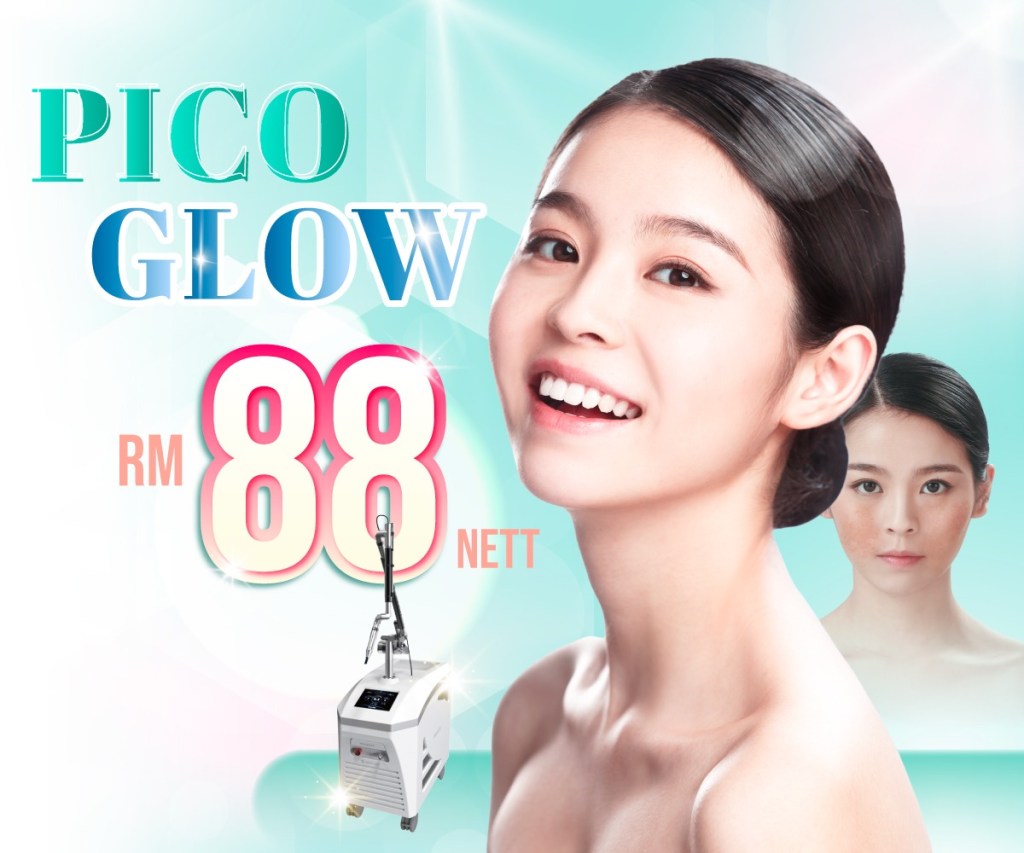
Prices for PicoGlow™ Laser enlarged pores treatment in Malaysia start from RM 88 per session.
Frequently Asked Questions on Treatments for Enlarged Pores
We gathered the answers to some popular questions about treatments for enlarged pores below. If you can’t find your answer here, feel free to contact us. V Medical Clinic will be happy to help.
Can enlarged pores be fixed?
No treatment can permanently change the size of your pores, but you can take steps to make them appear smaller. This is because the size of your oil glands is genetically determined.
Do pores get bigger if you squeeze them?
Squeezing, picking, tugging, or poking at your skin can stretch the elasticity around your pores. This stretching can cause them to appear wider and more prominent, and they may not return to their original shape. As a result, your pores can end up looking larger and becoming increasingly noticeable.
How do I choose the right enlarged pore reduction treatment for me?
Choosing the right enlarged pore reduction treatment depends on several factors, including your skin type, the severity of your pore size, and your overall skincare goals. For example, treatments for pores reduction are generally known for their precision and minimal downtime, which may be a suitable option. To make an informed decision, it is essential to consult with a qualified dermatologist or aesthetician. They can assess your skin condition and suggest a treatment plan tailored to your needs. It’s also helpful to consider the technology used, potential side effects, and recovery time.
Are enlarged pores treatments painful?
Most treatments for enlarged pores are comfortable with minimal discomfort. However, this depends on the treatment setting – higher-intensity treatment for severe conditions may be painful.
How do Pore Reduction treatments work?
Pore reduction treatments aim to minimise the appearance of enlarged pores and improve overall skin texture by stimulating collagen. Treatments work via various mechanisms, depending on the specific procedure or product used.
Is downtime required after the enlarged pore treatment?
Pore treatments like PicoGlow™ Laser typically require minimal downtime. Most people can resume their daily activities soon after the procedure. However, you may experience mild redness or swelling, which usually subsides within a few hours to a couple of days. It’s important to follow post-treatment care instructions provided by your skin specialist to support optimal healing and results.
Can Enlarged Pores be closed?
Pores are essential openings in the skin that release sebum (skin oil) and sweat, and they don’t have muscles or mechanisms to close and open like a door. However, you can improve their appearance and make them less visible through various interventions like topical treatment.
What skincare is best for enlarged pores?
A recommended skincare routine for individuals with enlarged pores involves using skin products with Retinol, Vitamin C or Salicylic Acid, which can help reduce the appearance of pores. Do also look for skin treatment products with formulas that are non-comedogenic so that they do not clog your pores.
How often do I need to get pore treatment?
The frequency of pore treatment sessions varies depending on your skin’s specific needs and the type of treatment used. For PicoGlow™ Laser treatments, a series of sessions is generally recommended to address the condition. Typically, you may need between 3 to 6 sessions spaced 4 to 6 weeks apart. After the initial series, maintenance treatments for every few months might be beneficial. Talk to us if you are looking for a customised treatment plan based on your skin’s condition.