
Laser Tattoo Removal Service In Malaysia
Unwanted tattoos pose a common and persistent issue for many individuals. These tattoos, whether due to evolving personal preferences, poor execution, or life circumstances, can lead to feelings of dissatisfaction and self-consciousness.
In recent years, the demand for tattoo removal has surged, fuelled by advancements in tattoo removal technology and enhanced techniques for effectively addressing unwanted tattoos. These developments offer individuals the opportunity to regain their confidence and the appearance of their skin.
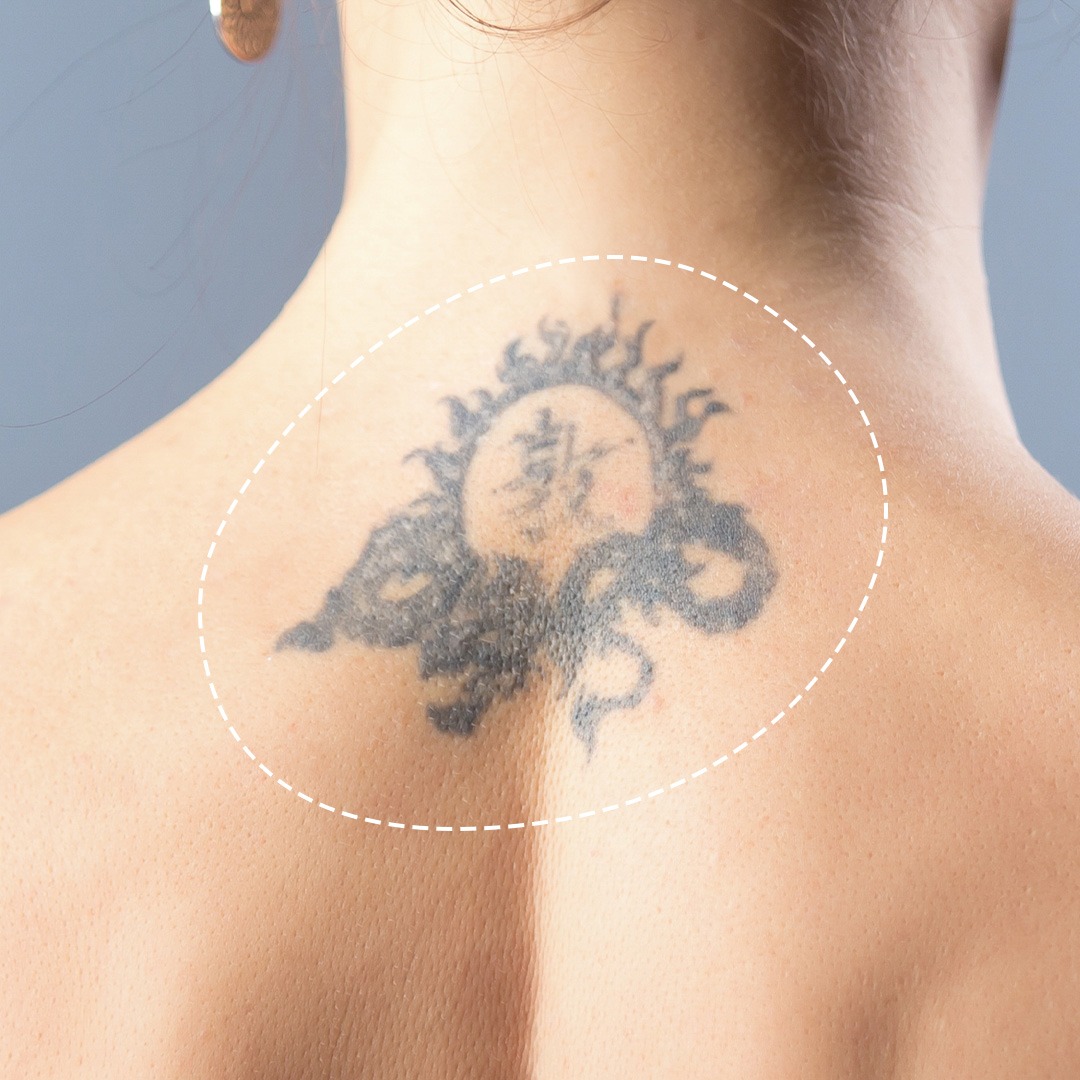
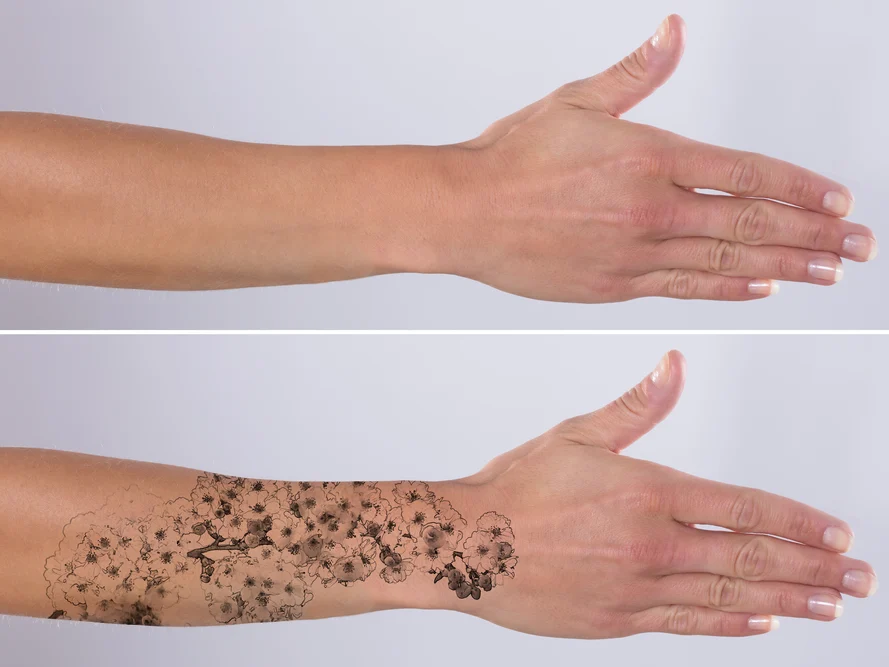
What is Tattoo Removal?
Tattoo removal is a process intended to eliminate or substantially reduce the appearance of a tattoo on the skin.
Multiple methods are available for tattoo removal, with one of the most commonly used and effective options being Pico Laser.
Types of Tattoos
The American Academy of Dermatology (AAD) classifies tattoos into five categories based on how they are created and their permanence:
Professional Tattoos
These are tattoos created by trained and licensed tattoo artists using specialised tattoo machines and ink. They are typically permanent and can be of various styles, including traditional, realism, or any other artistic genre.
Amateur Tattoos
Amateur tattoos are often created by individuals without formal training or in non-professional settings. They may be done using makeshift equipment or low-quality ink, resulting in less precise and potentially less permanent designs.
Cosmetic Tattoos
Also known as permanent makeup or micropigmentation, cosmetic tattoos are used to enhance features like eyebrows, eyeliner, and lip color. These tattoos are typically semi-permanent and may require touch-ups over time.
Medical Tattoos
Medical tattoos serve a specific purpose, such as marking an area for radiation therapy. They are often created by medical professionals and are intended to convey essential medical information.
Traumatic Tattoos
Traumatic tattoos result from accidental embedding of foreign materials, such as dirt or metal, into the skin during accidents or injuries. These are unintended tattoos that occur as a result of the trauma itself.
Can Tattoos be 100% removed?
Tattoo removal has seen significant advancements, with technology such as Pico Laser making it possible to achieve complete removal. The success of tattoo removal depends on several factors, including the tattoo’s characteristics, the type of ink used, the individual’s skin type, and the practitioner’s expertise.
Here are some key considerations regarding complete tattoo removal with Pico Laser.
Tattoo Characteristics
Tattoos with dark, black ink tend to respond better to tattoo removal, while those with lighter colors like yellow, green, and pastels can be more challenging to remove completely.
Ink Depth
The depth at which the tattoo ink was deposited can affect the removal process. Deeper ink may be more difficult to target and remove completely but not impossible.
Age of Tattoo
Older tattoos tend to fade more easily than newer ones because the ink particles may have broken down over time.
Skin Type
Skin type can impact the effectiveness of tattoo removal. Individuals with lighter skin often have better results compared to those with darker skin.
Quality Equipment
Equipment used for tattoo removal can make a difference. Pico Laser is used for tattoo removal due to its precision and effectiveness.
Expertise of the Practitioner
This plays a significant role in the success of the procedure. Experienced practitioner can make adjustments to optimize results.
How Does Pico Laser Remove Unwanted Tattoos?
The process of tattoo removal with Pico Laser involves utilising the Picosecond Laser to disintegrate the ink particles within the skin. This method uses high-intensity light across various wavelengths to target specific ink colours. The ink particles absorb this energy, leading to their heating and subsequent fragmentation into smaller pieces.

Before the tattoo removal treatment begins, an assessment is conducted to determine the number of sessions needed, which varies based on factors like tattoo size, location, and colours. During each session, a layer of numbing cream is applied to reduce discomfort, and ice may also be used for additional pain relief. The session itself typically lasts up to 15 minutes, depending on the tattoo’s size.
After the session, hydrating gel is applied to the treated area to aid in the healing process. Over time, the body’s immune system naturally and gradually eliminates the fragmented ink particles. It’s crucial to follow post-treatment care, including applying lotion daily and using sunscreen if the tattoo is in a sun-exposed area, to ensure optimal results.
You can explore our helpful guide on how Pico Laser helps to improve the skin to learn more about the treatment.
Why Go For Pico Laser Tattoo Removal?
Pico Laser tattoo removal has become increasingly common in recent years due to its numerous benefits. Pico Laser benefits include the ability to effectively remove tattoos of any colour and size, while being less painful compared to other methods of tattoo removal.
Additionally, Pico Laser side effects are minimal, with little risk of scarring or damage to the surrounding skin. Finally, advancements in technology have made laser tattoo removal more affordable over the years, making it a practical choice for those who want to remove unwanted tattoos efficiently and safely.
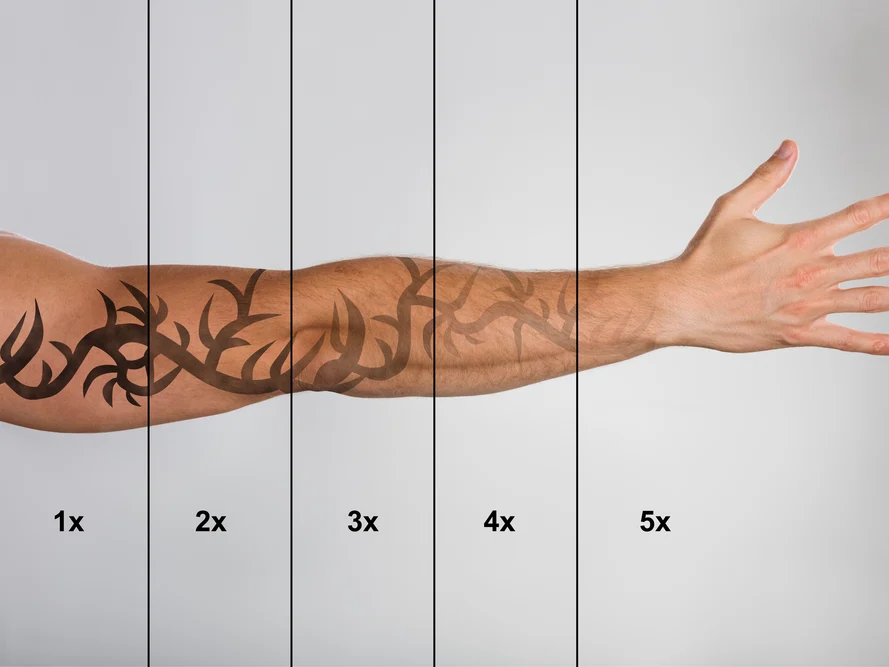
How Many Sessions Are Required to Remove Unwanted Tattoos?
The number of sessions required for the removal of unwanted tattoos varies based on several factors, including the tattoo’s size, colours, age, and the individual’s skin type.
In most cases, multiple sessions are necessary, and they are typically scheduled several weeks apart.
Do’s and Don’ts Before Pico Laser Tattoo Removal
Proper preparation before your Pico Laser tattoo removal is crucial for a smooth procedure and optimal results. Follow these do’s and don’ts to ensure you’re ready for your treatment.
Do’s
Avoid Physical Activities: Before your treatment, avoid strenuous exercises or activities that could make you sweat excessively. This helps ensure your skin is in the best condition for the procedure.
Stay Hydrated: Hydrate well in the days leading up to your session. Drinking plenty of water helps maintain healthy skin and supports your body’s natural processes, which can aid in the effectiveness of the treatment.
Soothe Your Skin with Ice: If your skin feels irritated before the treatment, you can apply an ice compress to calm and soothe the area. Ensure the compress is applied for no more than three minutes at a time, alternating it on and off.
Apply Moisturiser: Keep the area to be treated well-moisturised in the days before your appointment. Use a gentle moisturiser to maintain skin hydration to reduce the chances of irritation during treatment.
Don’ts:
Avoid Sun Exposure: Stay out of the sun as much as possible before your Pico Laser tattoo removal session. Sunburn or tanning can make your skin more sensitive and increase the risk of complications during the treatment. Always use sunscreen if you need to be outdoors.
Avoid Alcohol: Avoid consuming alcohol in the days leading up to your treatment. Alcohol can dehydrate your body and negatively impact your skin’s healing capacity.
Do Not Pick at Scabs or Blisters: If you have any existing scabs or blisters in the treatment area, avoid picking at them. Damaged skin can complicate the Pico Laser tattoo removal process and increase the risk of infection.
Pico Laser Tattoo Removal Aftercare
Proper aftercare following Pico Laser tattoo removal is key to a smooth healing process and achieving the best results. Here are some important guidelines to follow:
- Don’t Shower with High-pressure Water: Avoid showering with high-pressure water directly on the treated area. High-pressure water can irritate the skin and disrupt the healing process.
- Don’t Soak the Area in Water: Do not soak the treated area in water. Avoid activities such as swimming, hot tubs, and baths to prevent infection and promote proper healing.
- Avoid Applying Makeup: Refrain from applying makeup on the treated area in the days following your session. Makeup can introduce bacteria and chemicals that may irritate the skin or cause an infection.
- Avoid Shaving Around the Area: Avoid shaving around the treated area to prevent further irritation and potential damage to the healing skin.
- Cover the Treated Area: After your Pico Laser tattoo removal session, keep the treated area covered with a sterile bandage or dressing as advised by your practitioner. This helps protect the skin from bacteria and other contaminants, reducing the risk of infection. Ensure that the bandage is clean and changed regularly, and keep it covered for as long as advised by your practitioner.
- Apply a Cool Compress: To soothe the treated area, apply a cool compress in intervals. This can help reduce swelling and provide relief from any discomfort. Make sure not to apply ice directly to the skin; use a cloth or towel as a barrier.
Apply Antibiotic Ointment: Use an antibiotic ointment on the treated area as directed by your practitioner. This helps to prevent infection and promotes faster healing. Be consistent with the application to ensure the best results.
How Much Does Pico Laser Tattoo Removal Cost?
Pico Laser Tattoo Removal sessions at V Medical Clinic start at just RM88 nett per session. The total cost may vary depending on the number of sessions required to achieve optimal results.
Frequently Asked Questions on Pico Laser Tattoo Removal
We gathered the answers to some popular questions below. If you can’t find your question below feel free to contact us, and we’ll be happy to help.
Is Pico Laser tattoo removal safe for all skin types?
Yes, tattoo removal is generally safe for a wide range of skin types. However, the treatment settings may be adjusted based on an individual’s skin tone and type to minimise the risk of complications.
Are there any post-treatment care instructions for tattoo removal?
It’s important to follow the aftercare instructions provided, which include keeping the treated area clean, applying ointments, and avoiding direct sun exposure.
Can I have a new tattoo over a newly removed tattoo?
After the tattoo removal process is complete, you can choose to get a new tattoo in the same area. It’s best to wait until the skin has fully healed, and the tattoo has faded as much as possible.
Is Pico Laser tattoo removal painful?
Tattoo removal feels like the snapping of a rubber band against the skin. There are ways to minimize discomfort during procedure, speak to your professional service provider for more details.
Is Pico Laser tattoo removal effective for all tattoo colours?
Tattoo removal is most effective for dark ink colors, such as black and dark blue. Lighter colors, like yellow and green, can be more challenging to remove and may require more sessions.
Are there any side effects or risks associated with tattoo removal?
Temporary side effects can include redness, swelling, blistering, and mild scabbing. In rare cases, there may be the risk of scarring or changes in skin pigmentation.
How long does it take to see results from Pico Laser tattoo removal?
You may start to see some fading after the first few sessions, but significant results become more apparent as you progress through the treatment course.
How much does tattoo removal cost?
The cost of tattoo removal varies depending on the size and complexity of the tattoo, the number of sessions required, and the location of the treatment center. It’s best to consult with a professional for an accurate cost estimate.
Can all tattoos be completely removed?
Yes, many tattoos can be significantly lightened or completely removed.