
Uneven Skin Tone | Skin Whitening Treatment In Malaysia
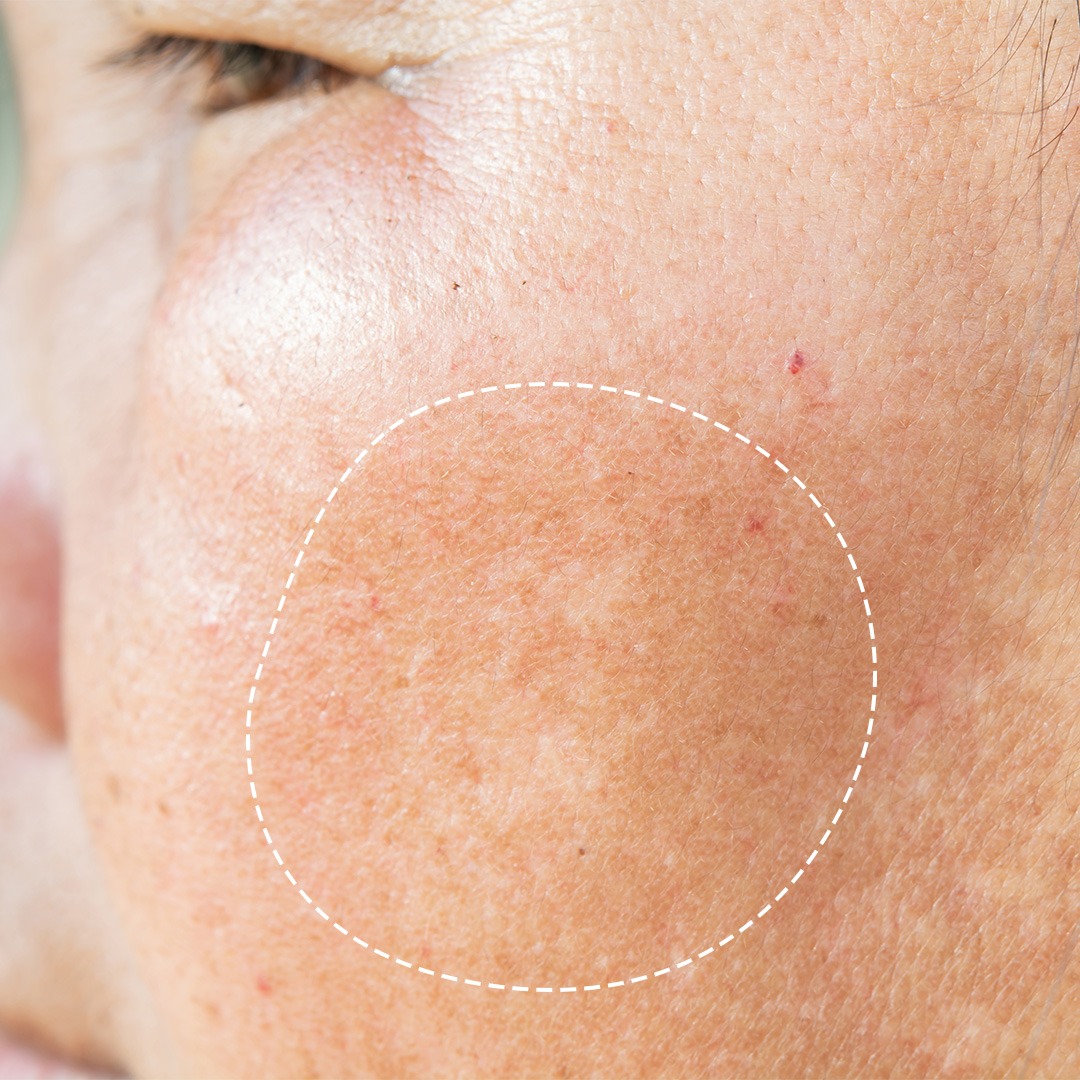
Uneven skin tone refers to a skin condition in which the complexion appears irregular or patchy in colour or texture. This condition may be characterised by areas of hyperpigmentation (darker spots) and hypopigmentation (lighter spots) on the skin.
Various factors such as sun exposure, hormonal changes, skin conditions, and ageing can cause uneven skin tone. But there are a range of treatments available, including whitening options, to help restore a more balanced and even complexion.

What Is Uneven Skin Tone?
Uneven skin tone is a common concern, referring to variations in the colour and texture of your skin. It often appears as areas of pigmentation that are different from the surrounding skin, sometimes requiring whitening treatments to achieve a more uniform appearance.
This condition can manifest in several ways, including:
- Hyperpigmentation: Darker patches caused by an excess of melanin production.
- Hypopigmentation: Lighter patches due to reduced melanin production.
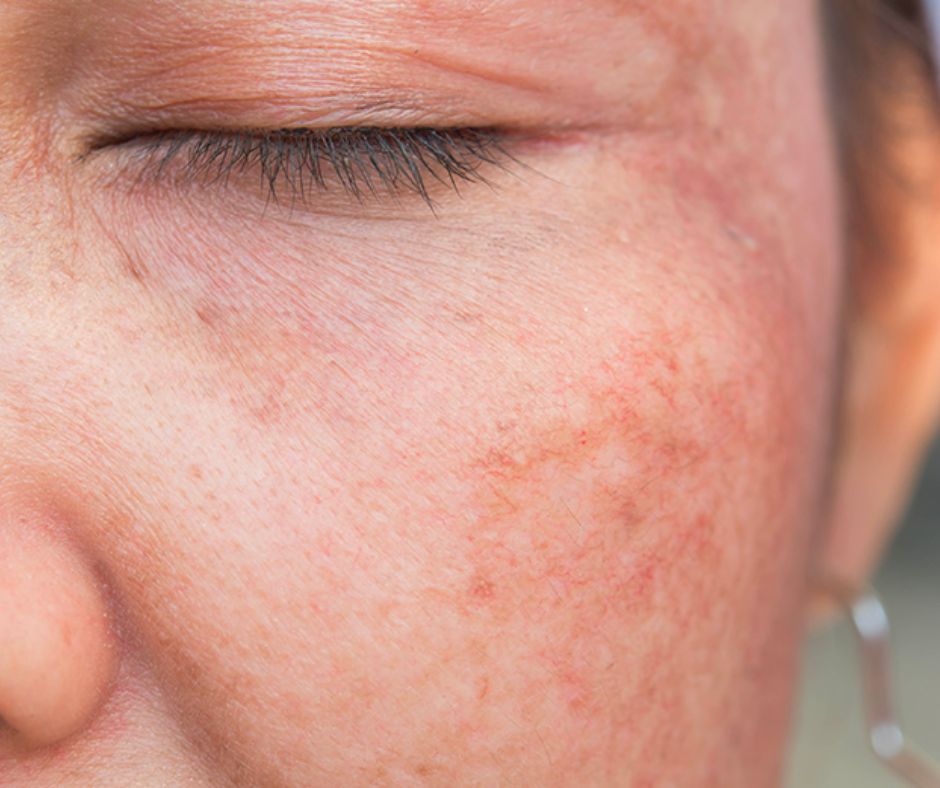
- Redness: Uneven redness can arise from conditions such as rosacea, broken blood vessels, or skin irritation.
- Uneven texture: Variations in the skin’s surface texture can contribute to an uneven appearance.
Do You Have Uneven Skin Tone?
Uneven skin tone is a broader term that encompasses a variety of irregularities in skin color and texture.
Hyperpigmentation is the common type of uneven skin tone characterized by the darkening of specific areas due to excessive melanin production, leading to the formation of flat, brown spots or patches that are darker than your overall complexion.
What are the causes of Uneven Skin Tone?
Uneven skin tone can result from a variety of factors, and it may vary from person to person. Some common causes of uneven skin tone include:
Sun Exposure
Prolonged and unprotected exposure to UV rays often causes dark spots, sunspots and an uneven tan. This is a common cause of uneven skin tone.
Aging and Genetics
As the skin ages, it can become less even in colour and texture with fine lines, wrinkles, and age spots. Genetics also play a role in these skin changes.
Skin Trauma and Inflammation
Skin inflammation and trauma, like burns, surgery or cosmetic procedures, often lead to scars and pigmentation changes.
Lifestyle Factors
Diet and habits, such as smoking and excessive alcohol consumption, can impair skin blood flow and oxygenation, causing irregularities to skin tone.
Hormonal Changes
Hormonal fluctuations, particularly in conditions like melasma common during pregnancy, can affect pigmentation, leading to an uneven skin tone.
Post-Inflammatory Hyperpigmentation
Inflammation or injury to the skin, from conditions like acne, burns, or cuts, often leads to dark marks or hyperpigmentation during the healing process.
How to treat Uneven Skin Tone naturally?
You can try several natural approaches to help treat uneven skin tone. While natural remedies may not provide instant or dramatic results, they can contribute to improving skin tone over time. Here are some natural methods to consider:
Sun Protection: Using sunscreen daily with an SPF of at least 30 helps protect your skin from UV radiation, which can worsen uneven skin tone. This is a fundamental step alongside other treatments, such as Pico Laser skin whitening.
Exfoliation: Gentle exfoliation with natural scrubs, like sugar or coffee grounds, can help remove dead skin cells and promote a smoother complexion. This process complements more advanced methods like skin brightening Pico Laser treatments.
Skin Ingredients: Using ingredients such as Vitamin C (Ascorbic Acid), Niacinamide (Vitamin B3), Alpha Hydroxy Acids (AHAs), Beta Hydroxy Acids (BHAs) or Retinoids (Vitamin A Derivatives) can help to promote even skin tone. It’s essential to follow a consistent skincare routine to see noticeable improvements.
Treatments For Uneven Skin Tone
Uneven skin tone can result from various factors such as sun exposure, hormonal changes, genetics, or skin conditions like melasma, hyperpigmentation, or post-inflammatory hyperpigmentation. There are several treatments and practices that can help improve and even out your skin tone:

Pico Laser Treatment
Pico Laser, an advanced pico laser skin treatment that also addresses uneven skin tone for a more balanced complexion, delivers ultra-short pulses of energy. These pulses target pigmentation concerns and stimulate collagen production, offering effects akin to brightening therapies while preserving the surrounding skin.
Topical Skin Lightening Agents
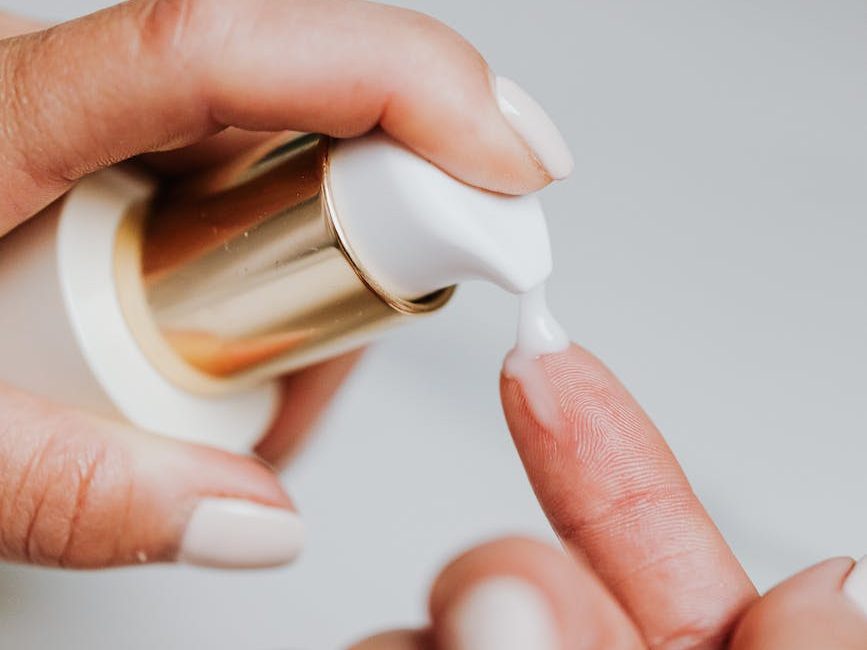
Hydroquinone: A common agent that can reduce the appearance of dark spots, similar in aim to skin whitening.
Vitamin C: A powerful antioxidant that can help fade dark spots, supporting an overall skin whitening effect.
Retinoids: These boost skin cell turnover, enhancing texture and tone, similar to skin lightening treatment approaches.
Niacinamide: Helps reduce inflammation and improve the appearance of uneven skin tone.
Chemical Peels
Chemical peels, involving the application of chemical solutions such as glycolic acid, salicylic acid, and TCA peels, exfoliate the top skin layer. They help to reduce hyperpigmentation and improve texture, complementing the effects of skin brightening treatments.
Professional Facials
Regular facials by qualified professionals improve texture and tone, incorporating elements that support skin whitening goals through exfoliation, extractions, and tailored products.
Microdermabrasion
Microdermabrasion, a non-invasive procedure using tiny abrasive particles, exfoliates the skin’s surface. This treatment can enhance skin texture and reduce minor hyperpigmentation, aligning with the objectives of skin whitening procedures.
How is Pico Laser Skin Whitening Treatment Done?
Skin whitening treatment uses a Pico Laser to target and lighten dark patches on the skin. The process begins with a consultation to determine your skin type and the most suitable treatment plan. Although the procedure involves minimal discomfort, a topical anaesthetic is applied to ensure your comfort.
During the treatment, specialised light is absorbed by the pigmented areas, breaking down the unwanted pigment using pico laser. The procedure typically takes about 30 to 40 minutes, and sessions are spaced 3 to 4 weeks apart. Unwanted pigmentation can usually be removed in 5 to 10 sessions. After the treatment, the treated area may be reddish and sensitive, but this typically subsides within a few days, leaving your skin looking naturally brighter.
The Science Behind Skin Whitening with Pico Laser
Skin whitening pico laser works by targeting melanin, the pigment responsible for skin colour, with focused light. This dark spot treatment, known as selective photothermolysis, directs energy to melanin-rich areas without affecting the surrounding tissue. The intense light is absorbed by the melanin, generating heat that breaks down the pigment into smaller particles. These particles are gradually absorbed by the body’s immune system or naturally shed from the skin’s surface, leading to reduced pigmentation. This treatment effectively diminishes dark spots and uneven skin tone, resulting in a more radiant and even complexion.
What to Expect During the Treatment
Understanding the step-by-step process of Pico Laser skin whitening can help you feel more prepared and comfortable. Here’s what you can expect during your treatment:
Step 1:
Your treatment provider will provide you with protective goggles to shield your eyes from the Pico Laser light.
Step 2:
The treatment involves a handheld device that passes over the areas with hyperpigmentation or melasma. You might experience a mild tingling or snapping sensation during this process.
Step 3:
To enhance comfort, a topical numbing cream may be applied before the treatment, and a cool air jet might be directed onto the treatment area to alleviate any discomfort.
Treatment Time:
Each session typically lasts around 30 minutes, depending on your skin type and condition.
Aftercare:
You will receive detailed aftercare instructions to help speed up healing and maximise results. Follow-up appointments will be scheduled to monitor your progress and ensure optimal outcomes.
Pros & Cons of Using Pico Laser to Lighten Your Skin
Skin whitening treatments offer numerous benefits but also come with some potential drawbacks. Here’s a balanced look at the pros, cons and potential treatment side effects to help you make an informed decision:
Pros:
- Non-invasive solution for addressing various pigmentation and ageing issues
- Stimulates ongoing collagen production
- Little to no recovery time needed
- Treatments can be personalised based on your skin type and goals
- Procedures are typically short, often 30 minutes or less
- Suitable for individuals of all ages
Cons:
- Risk of scarring or increased pigmentation if not performed by a skilled professional
- Potential complications if aftercare guidelines are not properly followed
- Multiple sessions may be necessary to reach the desired outcome
Is Pico Laser Skin Whitening Permanent?
Skin whitening treatments are designed to offer long-lasting results, however, individual results may vary based on factors such as the individual’s skin type, the degree of pigmentation and lifestyle factors.
Typically, results can last several years, with many patients enjoying benefits for 2-3 years or more. However, exposure to sunlight, ageing, and hormonal changes can all affect the longevity of the treatment.
Regular maintenance sessions and proper aftercare are recommended to sustain results.
Skin Brightening Cost
Skin whitening sessions at V Medical Clinic start at just RM88 nett per session. The total cost may vary depending on the number of sessions required to achieve optimal results.
Frequently Asked Questions About Uneven Skin Tone
Here are the answers to some popular questions about uneven skin tone. If you can’t find your question below, please reach out to your consultant.
Can uneven skin tone be prevented?
There are several measures to help prevent and minimise uneven skin tone, such as managing hormones to prevent hormonal skin changes, going for regular skin treatments or establishing healthy skincare habits like applying sunscreen or considering skin brightening options.
Are there any downtimes for uneven skin tone treatments?
Most treatments for uneven skin tone do not involve significant downtime, but this can vary depending on the specific treatment and the individual.
How long can I see results for uneven skin tone treatment?
Some individuals may notice improvement in skin tone after sessions of treatments like skin lightening, but it’s important to keep in mind that results can differ from person to person.
Does uneven skin tone go away?
Uneven skin tone can improve with proper skin care and treatments, such as skin whitening methods, but it may not completely go away, especially if caused by ageing or sun damage.
Is uneven skin tone common?
Yes, uneven skin tone is a common concern that many people experience. It can manifest as dark spots, redness, or blotchiness, often due to sun exposure, ageing, and skin conditions. Treatments like skin brightening can help manage these issues.
Can people with darker skin tones treat uneven skin tone?
Individuals with darker skin tones have options to treat uneven skin tones. Treatments like skin whitening suit all skin tones and types. However, it’s essential to understand that the effectiveness of treatments may vary for each individual. Read our helpful guide on Pico Laser for a better understanding.
Is uneven skin tone common?
Yes, uneven skin tone is a common skin concern that many people experience. It can manifest as dark spots, redness, or blotchiness and is often caused by various factors, including sun exposure, aging, and skin conditions.
What should I do to care for my skin after uneven skin tone treatments?
To care for your skin after uneven skin tone treatments, it’s important to follow a proper post-treatment skincare routine. This should include diligent sun protection to maintain results and prevent further damage.
Are there any side effects or risks associated with uneven skin tone treatments?
Potential side effects and risks are generally minimal, but it’s important to consult a professional, especially when considering treatments like skin whitening, to understand specific risks and benefits.