
Linerase® Type I Collagen Skin Booster Malaysia | All You Need To Know
As we age, the skin gradually loses collagen, becoming thinner, less elastic and more prone to fine lines, laxity and uneven texture.
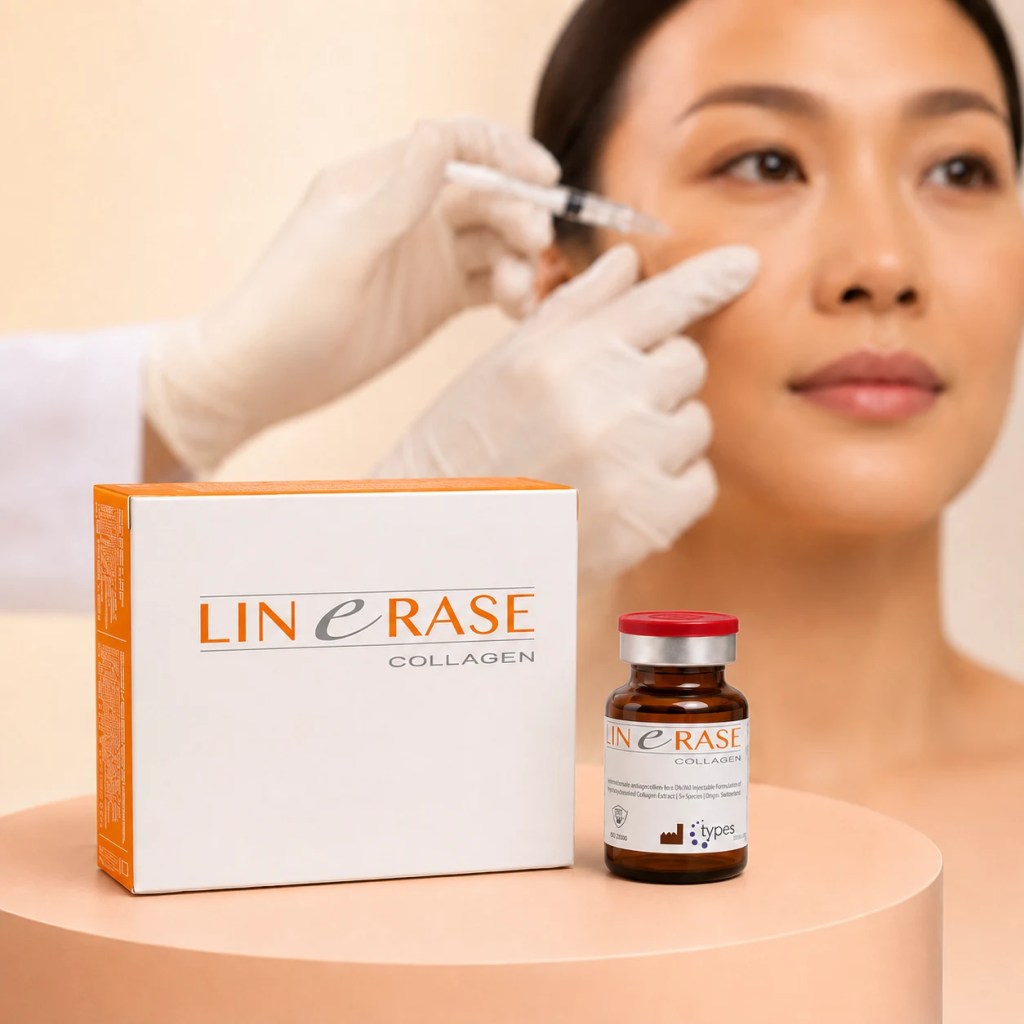
Linerase® is an injectable Type I collagen treatment designed to support skin regeneration and improve overall skin quality. Rather than adding significant volume or changing facial features, the treatment focuses on restoring the skin’s underlying structure for a firmer, smoother and more refreshed appearance over time.
- Improves skin firmness and elasticity
- Softens the appearance of fine lines
- Supports thinner or ageing skin
- Improves uneven skin texture
- Suitable for the face and selected body areas
What Is Linerase®?
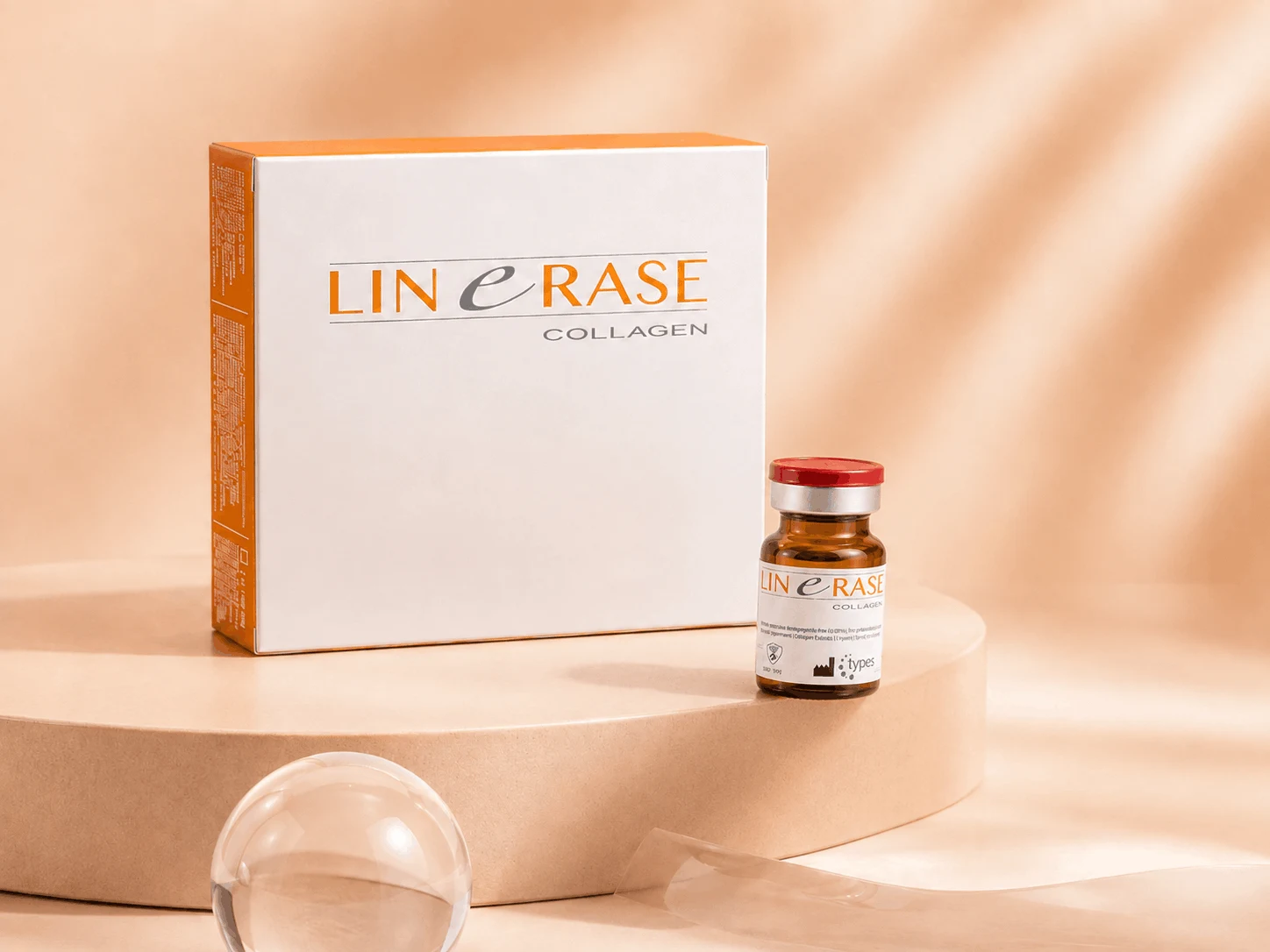
Linerase® is an injectable collagen treatment developed in Italy and formulated with Heterologous Type I Collagen (HTIC).
Type I collagen is one of the main structural proteins found within the skin and plays an important role in maintaining its strength, firmness and elasticity. Unlike conventional dermal fillers that are primarily used to replace volume or reshape facial features, Linerase® is intended as a skin biorevitalisation treatment.
How Does Linerase® Type I Collagen Work?
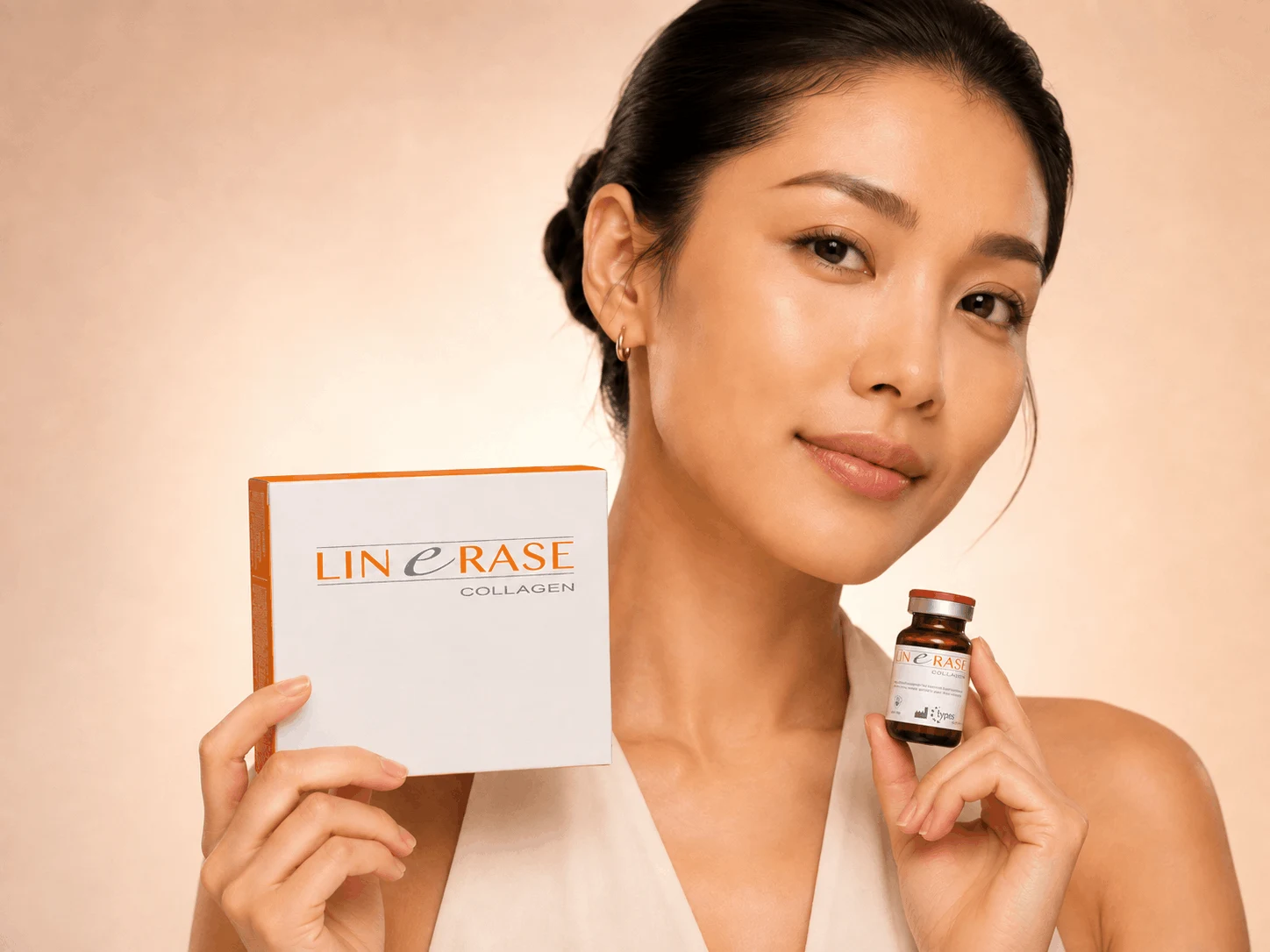
Linerase® introduces highly purified Type I collagen into the dermal layer of the skin. Its role is not simply to fill an area. Instead, the injected collagen provides a temporary biological framework within the tissue.
The process can be understood in three stages:
1. Collagen Is Introduced Into the Dermis
Small amounts of Type I collagen are injected throughout the treatment area. This places collagen directly within the skin layer where structural deterioration occurs.
2. Supports Fibroblast Activity
The presence of collagen provides an environment that supports fibroblasts — the cells responsible for producing collagen and other components of the skin’s extracellular matrix.
This encourages the skin’s natural regenerative activity.
3. Gradual Dermal Remodelling
As the skin undergoes regeneration, its underlying structure may gradually become better supported.
Over time, this may translate into improved firmness, elasticity and texture rather than an immediate volumising effect.
What Are the Benefits of Linerase®?
01.
Firmer-Looking Skin
Improved structural support within the dermis may help skin appear firmer and less lax.
02.
Improved Skin Elasticity
The treatment may help ageing or thinner skin regain a more resilient and supple appearance.
03.
Softer Fine Lines
As overall skin quality improves, superficial fine lines and creases may become less noticeable.
04.
Smoother Skin Texture
Dermal regeneration may help improve roughness and irregular skin texture.
05.
Suitable Beyond the Face
The treatment may also be considered for areas such as the neck, décolleté, hands and selected scars or stretch marks.
06.
Natural Results
Linerase® is not primarily designed to create facial volume. Changes develop gradually as the condition of the skin improves.
What Areas Can Be Treated With Linerase®?
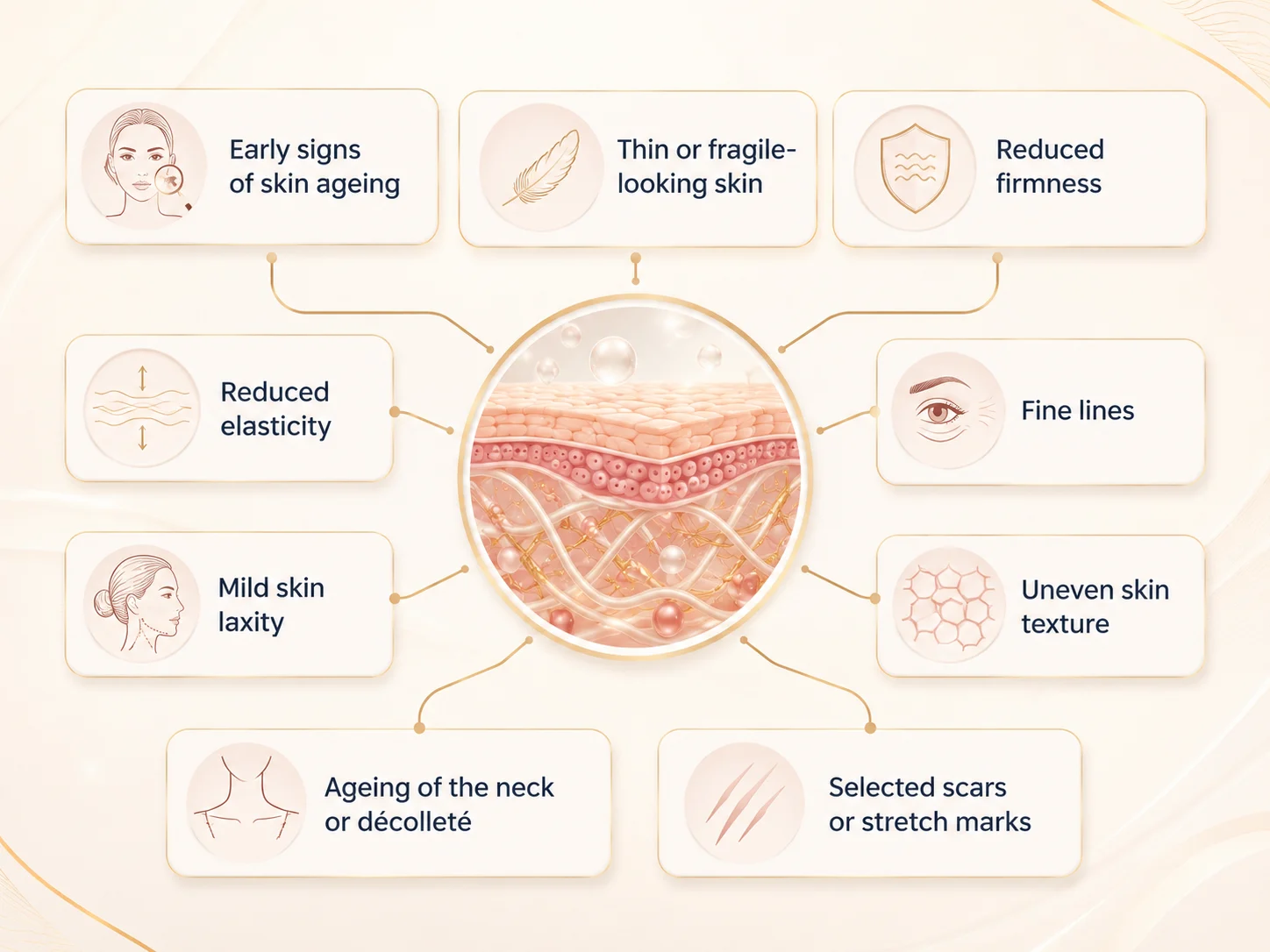
Linerase® may be used on areas where the skin has become thinner, less elastic or uneven in texture.

Face
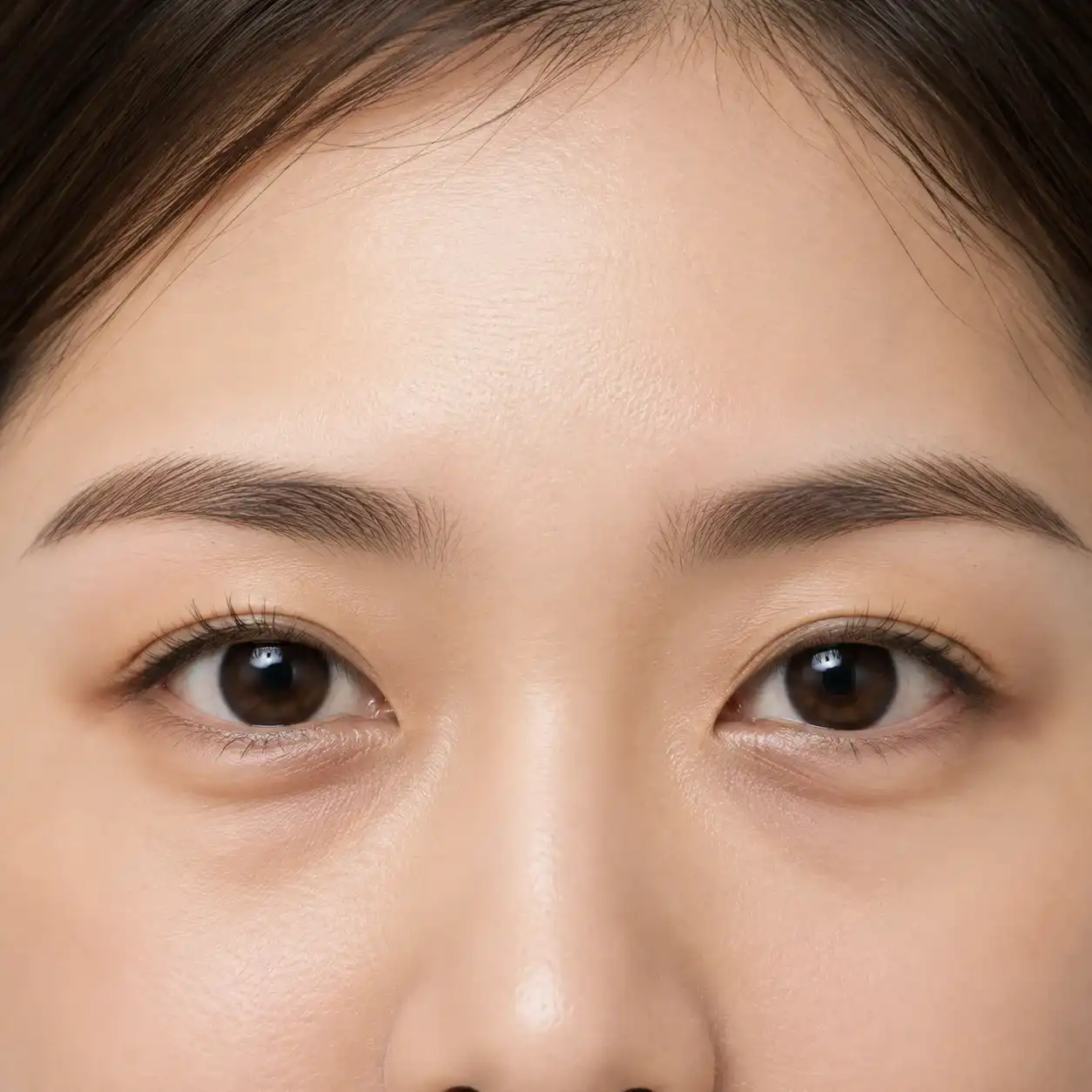
Under-Eye Area

Neck

Décolleté
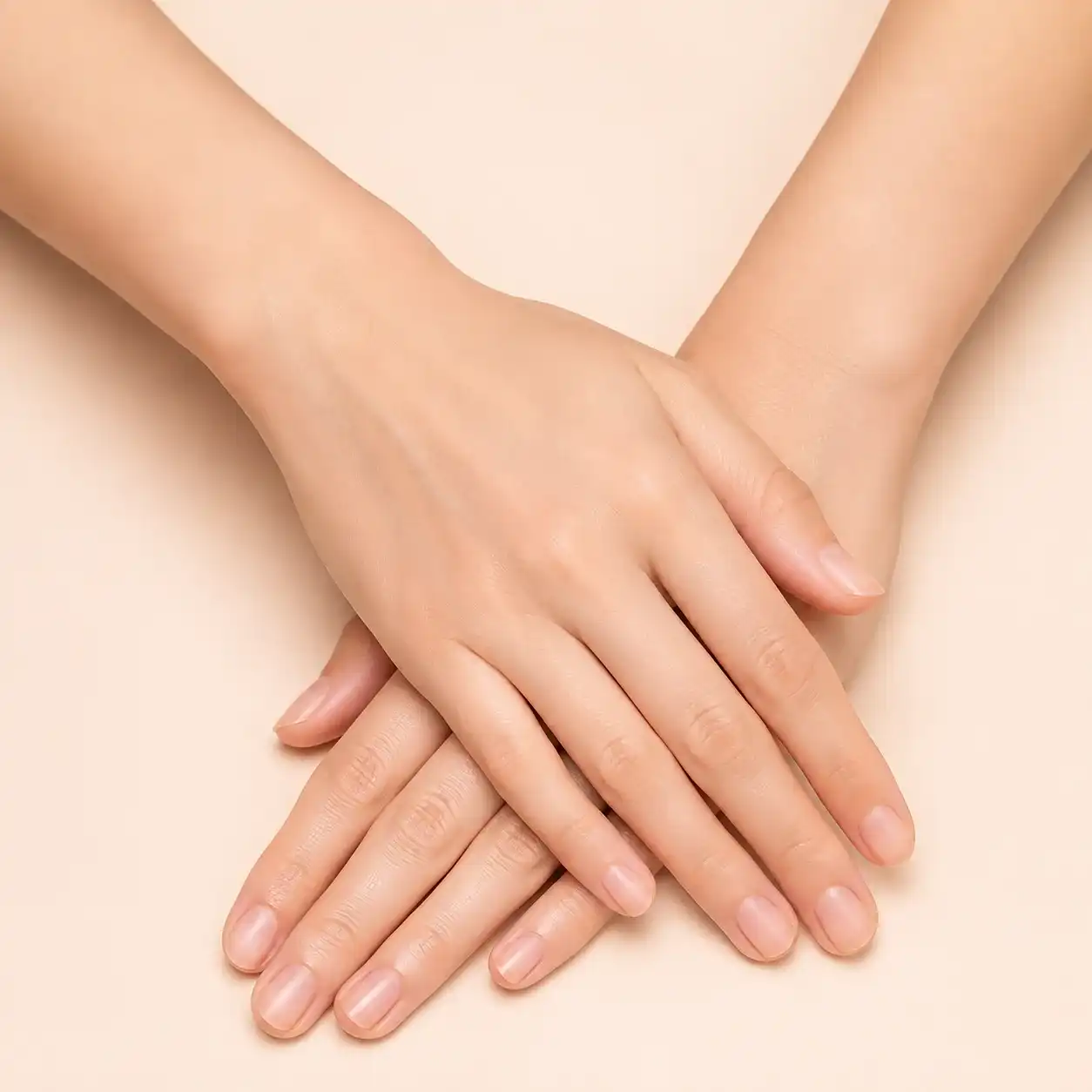
Hands

Scars
How Is Linerase® Administered?
Linerase® is administered through a series of small intradermal injections.
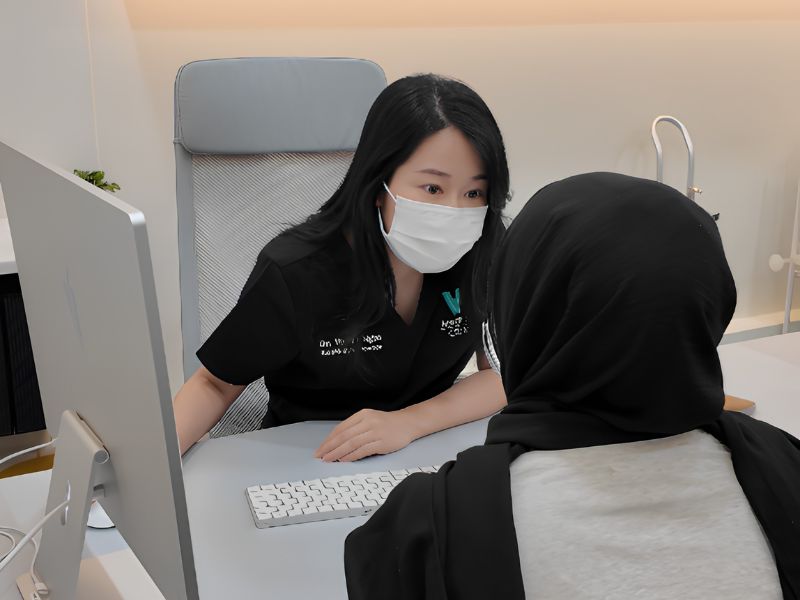
Before treatment, our medical doctor will assess the condition of the skin and determine the areas that require treatment.
Step 1.
Skin Assessment
The doctor examines the treatment area, skin thickness, elasticity and overall condition before planning the injection points.

Step 2.
Preparation
The skin is cleansed and numbing cream may be applied when appropriate to improve comfort.
Step 3.
Intradermal Injection
Small amounts of Linerase® are injected into the dermal layer using a fine needle. The injections are distributed across the selected area according to the treatment plan.

Step 4.
Post-Treatment Assessment
The treated area is checked before aftercare instructions are provided. The number of injection points and amount used will depend on the treatment area and individual skin condition.
Who Is Suitable for Linerase®?
Linerase® may be considered for individuals who are mainly concerned about skin quality rather than facial volume.
It may be particularly suitable for patients who prefer gradual improvement without significantly changing their natural facial contours.
Are There Any Side Effects To Linerase® Treatment?
Common side effects include mild redness, or bruising at the injection sites, which typically subside within a few days. Some individuals may also experience slight tenderness or small bumps at the injection points, but these usually resolve on their own.
When Can I See Results?
Linerase® is not intended to produce the immediate volumising effect associated with conventional dermal fillers. Changes develop gradually as the skin undergoes regeneration and remodelling.
Patients may begin noticing improvements in:
- Skin texture
- Firmness
- Elasticity
- Fine lines
- Overall skin quality
over the weeks following treatment.
The rate of improvement varies according to age, skin condition and individual response.
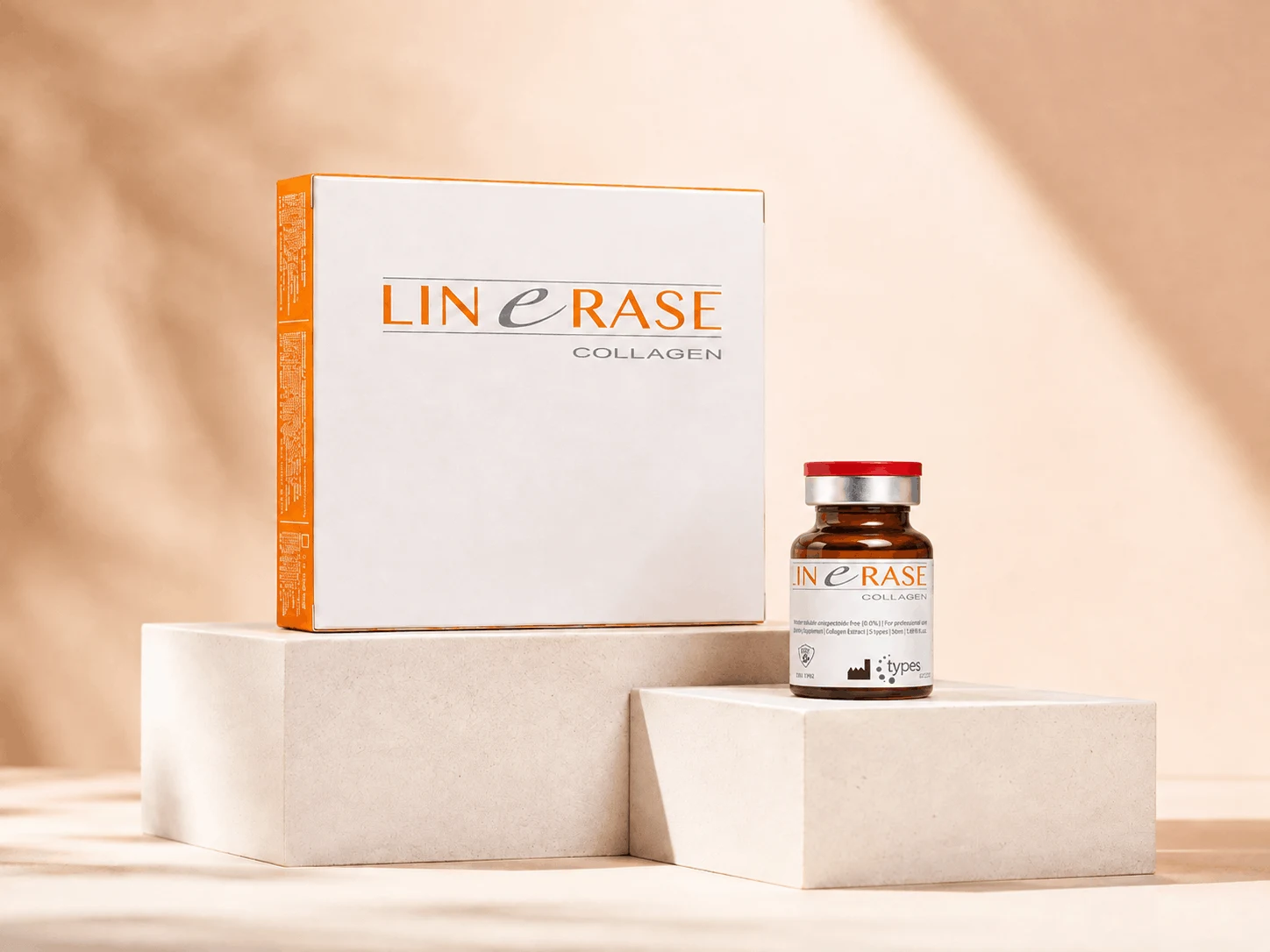
Treatment Using Genuine Linerase®
At V Medical Clinic, Linerase® treatments are performed using authentic products supplied for medical use.
Product authenticity is important for injectable treatments because the formulation, manufacturing process, storage conditions and traceability of the product can affect treatment quality and safety.
Our medical doctors will assess your condition before treatment and administer the product according to the recommended clinical technique.
Ready For Linerase® in Malaysia?
| Overview of Linerase® | |
|---|---|
| Treatment Time | 30 Minutes |
| Recommended Sessions | 4 Sessions |
| Recommended Intervals | Every 2 Weeks |
| Downtime | No Downtime |
| Treatment Price | RM2,200 NETT |
Linerase® Frequently Asked Questions
We gathered the answers to some popular questions below. If you can’t find your question below feel free to contact us, and we’ll be happy to help.
Is Linerase® Treatment painful?
The treatment is generally well tolerated. Patients may experience a mild stinging or pricking sensation during the injections. Numbing cream is usually applied beforehand to help minimise discomfort.
Does Linerase® Add Volume to the Face?
Linerase® is not primarily used as a volumising treatment.
Its main purpose is to improve skin structure, elasticity and overall quality rather than significantly changing facial proportions.
How long do the results last?
A course of approximately 4 sessions, spaced about 2 weeks apart, may be recommended depending on your skin condition and treatment goals.
Results develop gradually as the skin responds to treatment, with improvements typically becoming more noticeable over 1–2 months. Results may last around 9–12 months, although this varies between individuals.
Is Linerase® the Same as Hyaluronic Acid Skin Boosters?
No. Hyaluronic acid skin boosters primarily focus on improving hydration and skin moisture.
Linerase® focuses more on supporting dermal structure and collagen-related skin regeneration.
How can I maintain the results?
Maintaining a consistent skincare routine, daily sun protection and a healthy lifestyle may help support the results. Maintenance treatments may also be recommended every 6–12 months depending on your skin condition and the doctor’s assessment.
What is the aftercare for Linerase®?
Patients are generally advised to:
- Avoid alcohol and aspirin for 1–2 days
- Avoid excessive heat and prolonged sun exposure for 1–2 days
- Avoid applying makeup for approximately 24 hours
- Avoid strenuous exercise for the first 24 hours
- Avoid rubbing, massaging or applying pressure to the treated areas
- Apply sunscreen daily and keep the skin well moisturised.
- Follow any additional aftercare instructions provided by the doctor.