
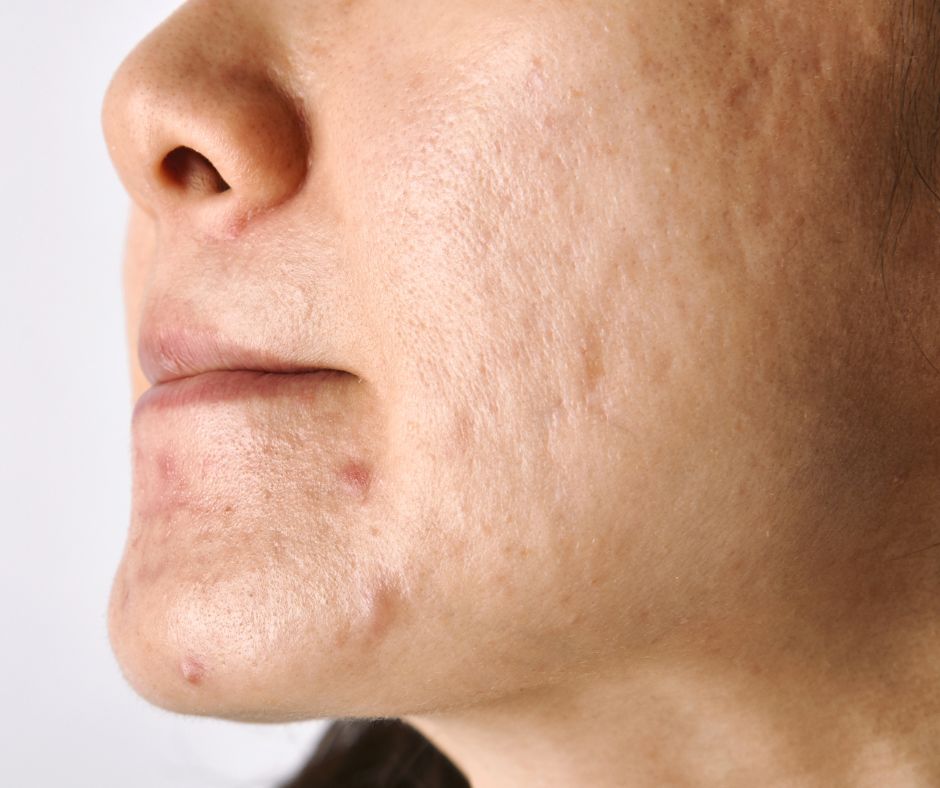
Learning more about acne scars is never a disadvantage. In fact, understanding the type of acne scars you have—and why they form—is an essential first step toward choosing the right treatment and achieving healthier-looking skin.
One of the most commonly sought-after aesthetic treatments for acne scars today is Pico Laser. In this article, we’ll explore what acne scars are, why they occur, and how Pico Laser can help improve skin texture and appearance.
What Are Acne Scars?
Acne scars are marks or irregularities left on the skin after severe or prolonged acne breakouts heal. Acne develops when hair follicles become clogged with oil and dead skin cells, resulting in pimples, blackheads, and whiteheads.

When acne lesions become inflamed—or are picked or squeezed—the skin’s natural healing process may be disrupted, leading to scarring. Acne scars can appear in several forms, including:
- Atrophic scars – depressed or pitted scars
- Hypertrophic scars – raised scars
- Post-inflammatory hyperpigmentation – dark spots left after acne heals
Acne scars can affect both self-confidence and overall appearance. Pico Laser is a non-invasive aesthetic treatment that has proven effective in improving acne scars while enhancing skin smoothness and radiance.
How Common Are Acne Scars?
Acne scars are a very common skin concern, affecting approximately one in five individuals. Even after acne clears, scars can remain for years if left untreated. This highlights the importance of addressing acne early and managing its long-term effects properly.
Types of Acne Scars
Atrophic Scars
The most common type of acne scar, including:
- Icepick scars – small, deep holes
- Boxcar scars – shallow depressions with sharp edges
- Rolling scars – wide, wave-like indentations
Hypertrophic Scars
Raised and thickened scars that remain within the original acne site.
Keloid Scars
Raised scars that grow beyond the original acne lesion.
Hyperpigmentation
Darkened spots caused by excess melanin after acne heals.
Hypopigmentation
Light or white patches caused by pigment loss in the affected area.
What Is a Common Cause of Acne
Enlarged pores are one common contributing factor to acne. When pores are enlarged, they can trap excess oil, dead skin cells, and debris—creating an ideal environment for acne-causing bacteria. This increases the likelihood of pimples and blackheads forming.
Other factors that contribute to acne scars include:
- Inflammation – Severe inflammation can damage surrounding skin tissue
- Skin type – Certain skin types are more prone to scarring or pigmentation
- Picking or squeezing acne – Pushes bacteria deeper into the skin
- Cystic acne – Deep, painful breakouts that cause extensive skin damage
- Delayed treatment – Prolonged inflammation increases scarring risk
- Genetics – Family history may influence scar formation
- Improper skincare – Harsh products can worsen acne and scarring
Effects of Acne Scars and Enlarged Pores
Acne scars and enlarged pores often lead to uneven skin texture. Scars can create depressions or raised areas, while enlarged pores appear as visible indentations on the skin’s surface. Together, they make the skin feel rough and look uneven—often impacting self-confidence.
Pico Laser for Acne Scars: How Effective Is It?
Pico Laser is an advanced laser treatment designed to address both acne scars and enlarged pores. It delivers ultra-short pulses of laser energy in picoseconds, targeting damaged skin tissue without harming surrounding areas.
How Pico Laser Improves Acne Scars
Pico Laser works by stimulating collagen production deep within the skin. Over time, this allows acne scars to heal naturally, filling in depressions and smoothing out uneven texture.
Additionally, the collagen-boosting effect helps tighten and rejuvenate the skin, reducing the appearance of enlarged pores and creating a firmer, more refined complexion.
How Long Does Pico Laser Take to Show Results?
Results vary from person to person and depend on the severity of the acne scars. Improvements are not immediate, as collagen regeneration takes time.
- Some individuals notice smoother, more even skin within a few weeks after the first session
- Deeper or more stubborn scars may require multiple sessions over several months for optimal results
Can Pico Laser Prevent Acne Scars?

Yes. Pico Laser can help reduce and prevent acne scars by breaking down scar tissue, stimulating collagen production, and promoting skin regeneration. Its precision minimizes damage to surrounding skin, supporting faster healing and lowering the risk of new scars forming.
It also improves overall skin texture and tone, making existing scars less noticeable while helping to prevent future scarring.
Where to Get Pico Laser Treatment in Singapore?
If you’re considering Pico Laser for acne scars, V Medical Aesthetics Clinic is a trusted choice in Singapore. The clinic offers Pico Laser treatments performed by experienced and certified doctors who prioritize personalized skincare goals.
Choosing a reputable clinic with qualified professionals ensures that treatments are performed safely and effectively.
Conclusion
Pico Laser has emerged as a solution for individuals struggling with acne scars. Beyond fading scars, it addresses multiple skin concerns—including pigmentation and enlarged pores—resulting in smoother, clearer, and more radiant skin.
With minimal downtime and no surgery required, Pico Laser offers an efficient and confidence-boosting option for those seeking visible skin improvement.